Brahmānanda Svāmī: An Inspiring Musical Artist

by Sadhu Paramsetudas
Part 2 of 4

Incidents from Brahmānanda’s life reveal him to be uniquely gifted and talented in the field of music. Seldom can one find one individual that was such an exceptional poet, musician, singer, and linguist. His brilliant artistry reflects his beliefs, struggles, and faith in Bhagavāna Svāminārāyaṇa (Svāminārāyaṇa). His life and work were one; what he felt was explicitly expressed in his poetry. The diversity of his poetry and awareness of the shortcomings of society enriched his writings and made him a pioneer in 19th-century Svāminārāyaṇa Gujarātī literature.

The Versatile Poet

In 1819th century Gujarāta, verses of the bhakti genre from Narasiṃha Mahetā, Mīrābāī, and Brahmānanda’s contemporary Dayārāma were popular and prevalent. Though inspiring artists, they were typically bound to a single style and genre of writing. Brahmānanda, however, was an extremely versatile poet whose poems could evoke a wide range of emotions. He could inspire youths to want to renounce the world and become sādhus, stir bravery and courage to help face life’s struggles, and even invoke the principles of devotion and loyalty to Bhagavāna within listeners’ hearts. Therefore, analyzing events and incidents from Brahmānanda’s life helps understand his struggles, challenges, and beliefs and of those prevailing in society.

Bravery and Courage…

The Svāminārāyaṇa faith that Sahajānanda had established in Gujarāta in the eighteenth century was not universally accepted. Some sections of society treated this new and growing saṃpradāya with skepticism, criticism, and even violence. Svāminārāyaṇa’s sādhus tolerated unfathomable hardships. It was common for them to go days without food because they were insulted, abused, rejected rations, and even killed for their beliefs. Muktānanda and Brahmānanda were once captured by a heretic associated with a spurious cult, tied to a pole, and came very close to being skinned alive and having their ears and nose cut off.1 However, they were steadfast in their belief and loyalty to Svāminārāyaṇa that no hardship could shake their conviction.

Devotees also endured difficulties for their “crime” of accepting the Svāminārāyaṇa faith; they were ostracized from their communities, tortured, exiled and in some cases even killed. Being a Svāminārāyaṇa devotee meant being a target of abuse, humiliation, and prejudice. Fear, doubts, and uncertainty were a part of everyday life.

It was in this context that Svāminārāyaṇa asked Brahmānanda to compose several poems that would provide a devotee, Rūpābhāī, with the strength, courage, and reassurance to face the aforementioned adversities in his life. Rūpābhāī was the favorite minister of Mahārājā Vajesiṃha, the King of Bhāvanagara. An individual with strong character and trustworthiness, Vajesiṃha always entrusted him with his personal and most important tasks. Other ministers grew jealous and conspired against Rūpābhāī by spreading malicious rumors about him to Vajesiṃha. He did not care to investigate and ordered Rūpābhāī to leave Bhāvanagara altogether; homeless and without a living, Rūpābhāī’s life was cast into confusion.2

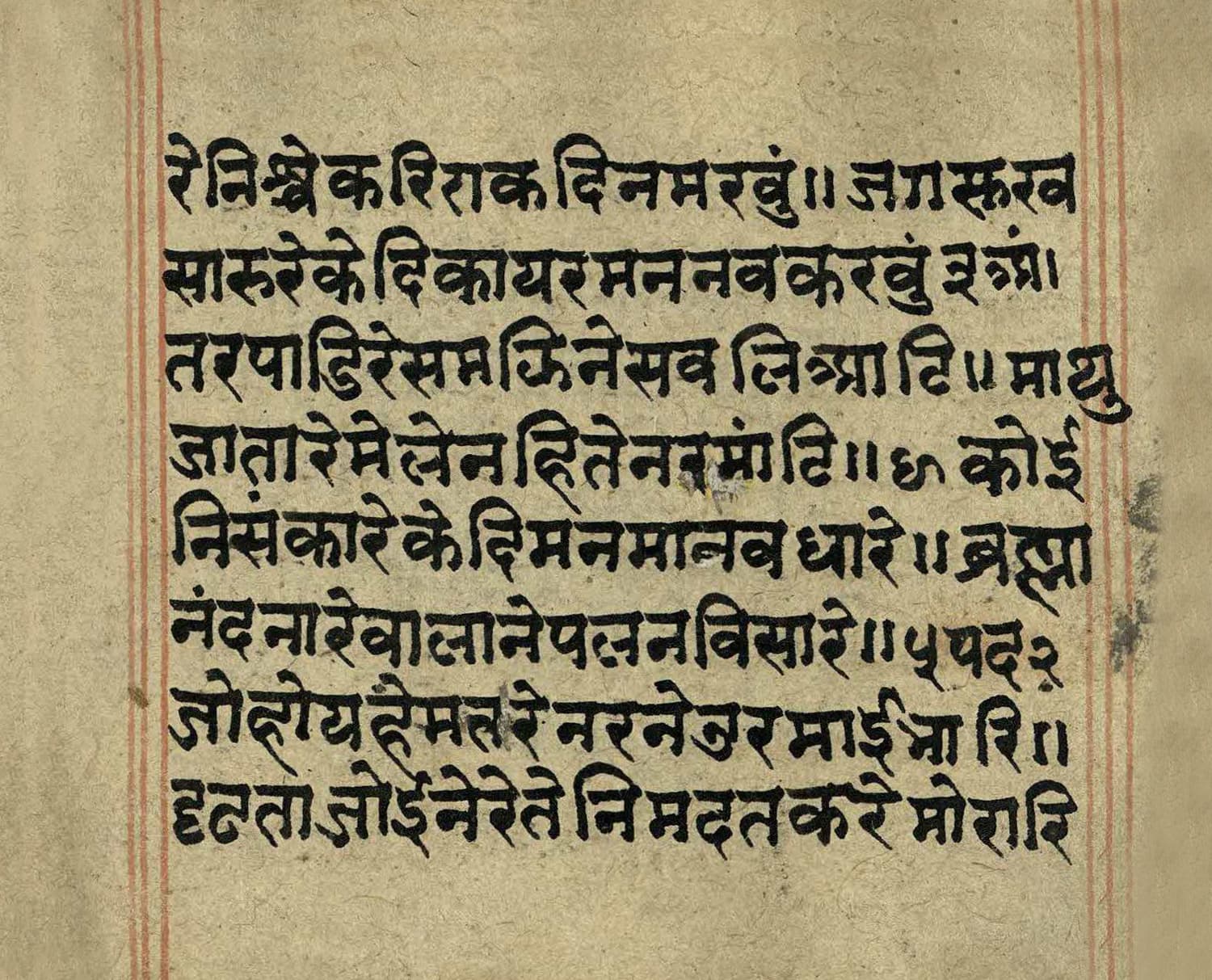
A series of poems Brahmānanda composed helped devotees such as Rūpābhāī ignite bravery and courage in the face of opposition and oppression. In the opening of this poem, Harijan sāchā re,” Brahmānanda emphasizes the necessity of a devotee to keep courage in his heart. Whatever worldly problems he may face, a devotee never forsakes Bhagavāna, the Satsaṅga fellowship, or acts against the commands of Bhagavāna. One of the features of these poems is in the analogies that Brahmānanda employs – simple, meaningful, and the sorts of images and ideas that his contemporary audience were familiar with. According to Raymond Williams, “Brahmānanda (1772-1832) wrote almost a thousand poems in which he extolled the ethical and moral life with the help of simple examples from contemporary life, and illustrations from the cultural history of India.”3
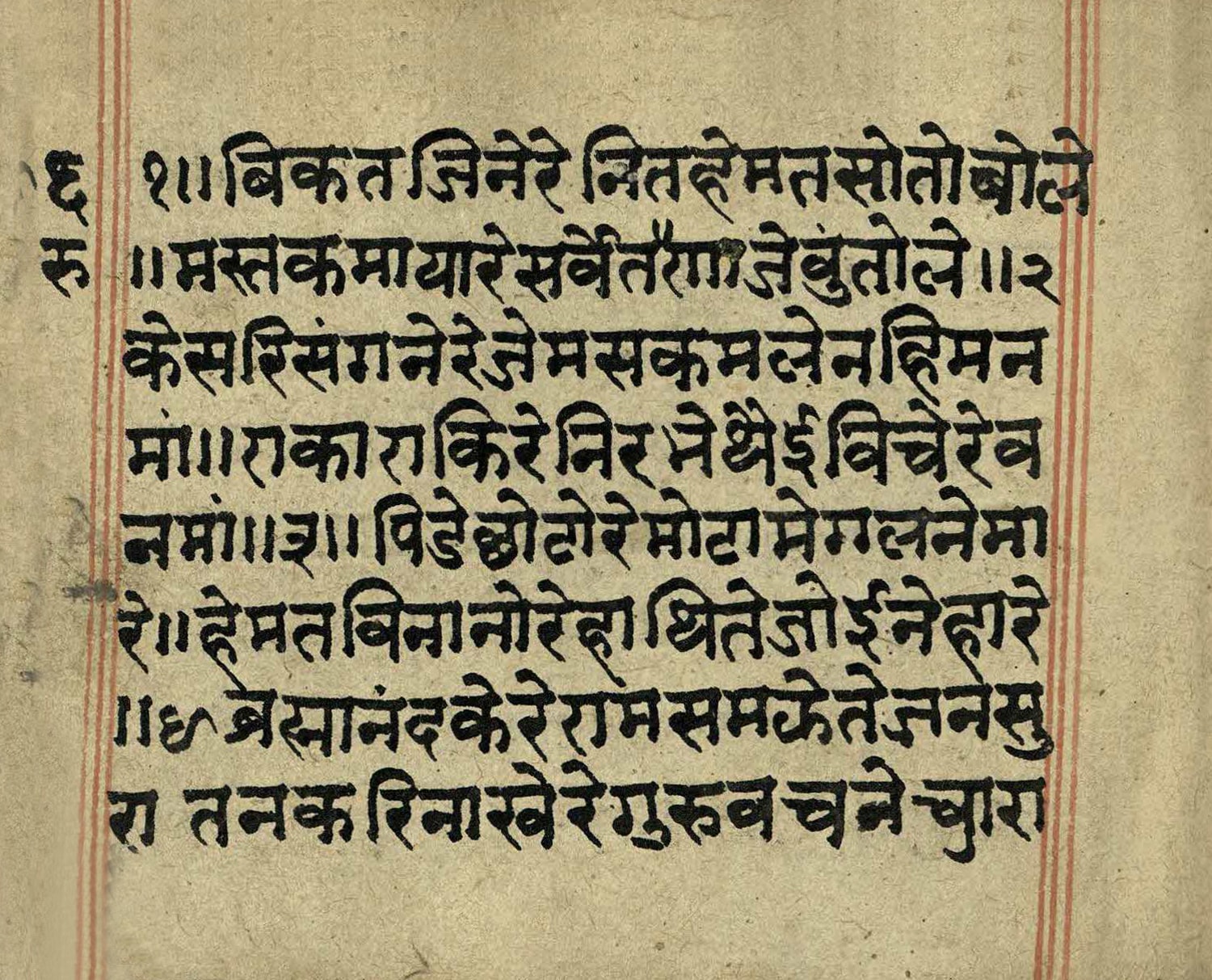
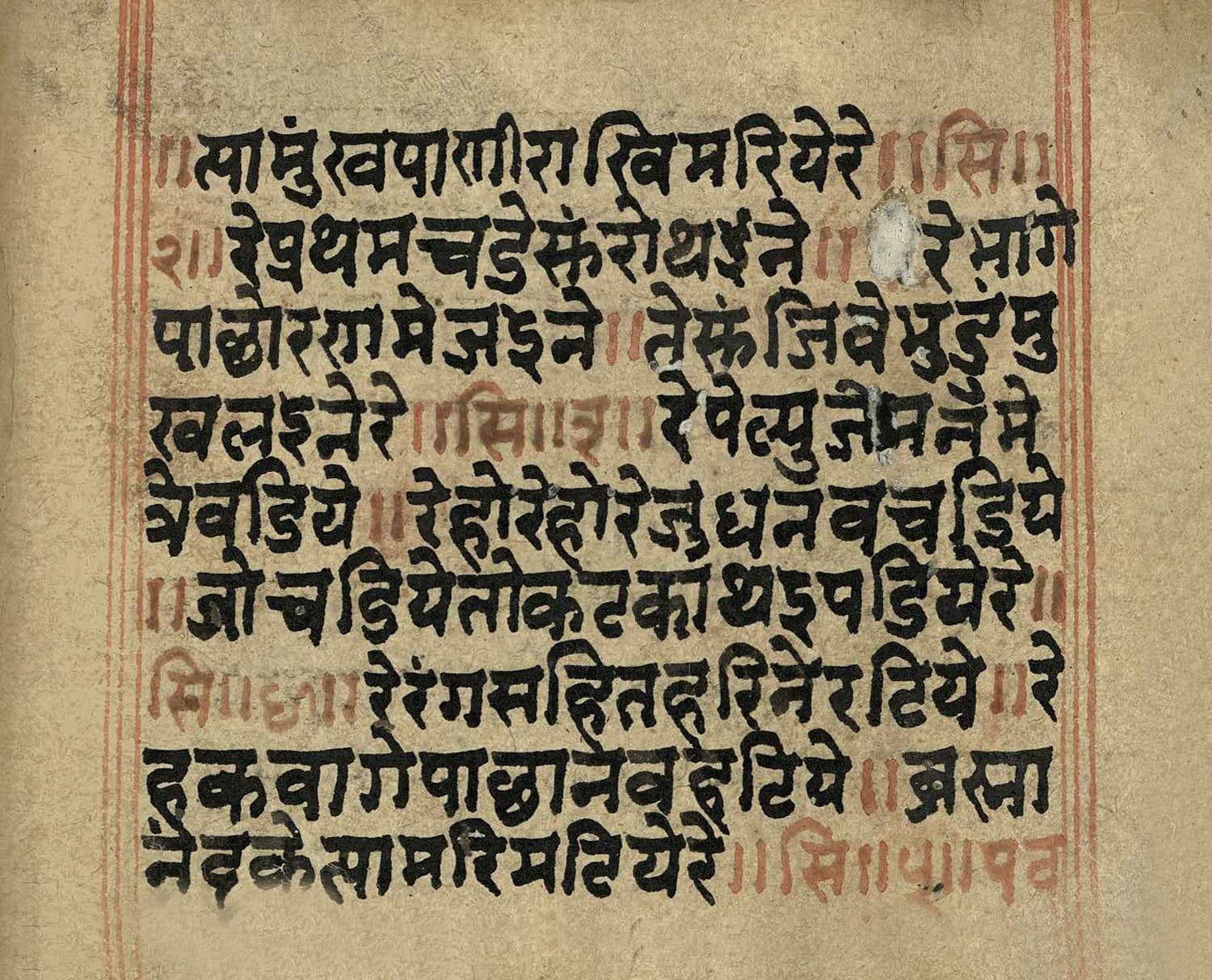
કેસરી સિંહને રે, જેમ શંકા મળે નહિ મનમાં,
એકાએકી રે, નિરભે થઈ વિચરે વનમાં…


Kesrī sinhne re, jem shankā maḷe nahi manmā; Ekāekī re, nīrbhe thaī vichare vanmā…


Alone and fearless, a lion-king walks in the forest, unafraid of other animals.

પંડે છોટો રે, મોટા મેંગળને મારે,
હિંમત વિનાનો રે, હાથી તે જોઈને હારે…


Panḍe chhoṭo re, moṭā mengaḷne māre;
Himmat vināno re, hāthī te joīne hāre…4


Despite its smaller size, the lion can kill an elephant. An elephant, who is not as fearless, is defeated simply upon seeing the lion.

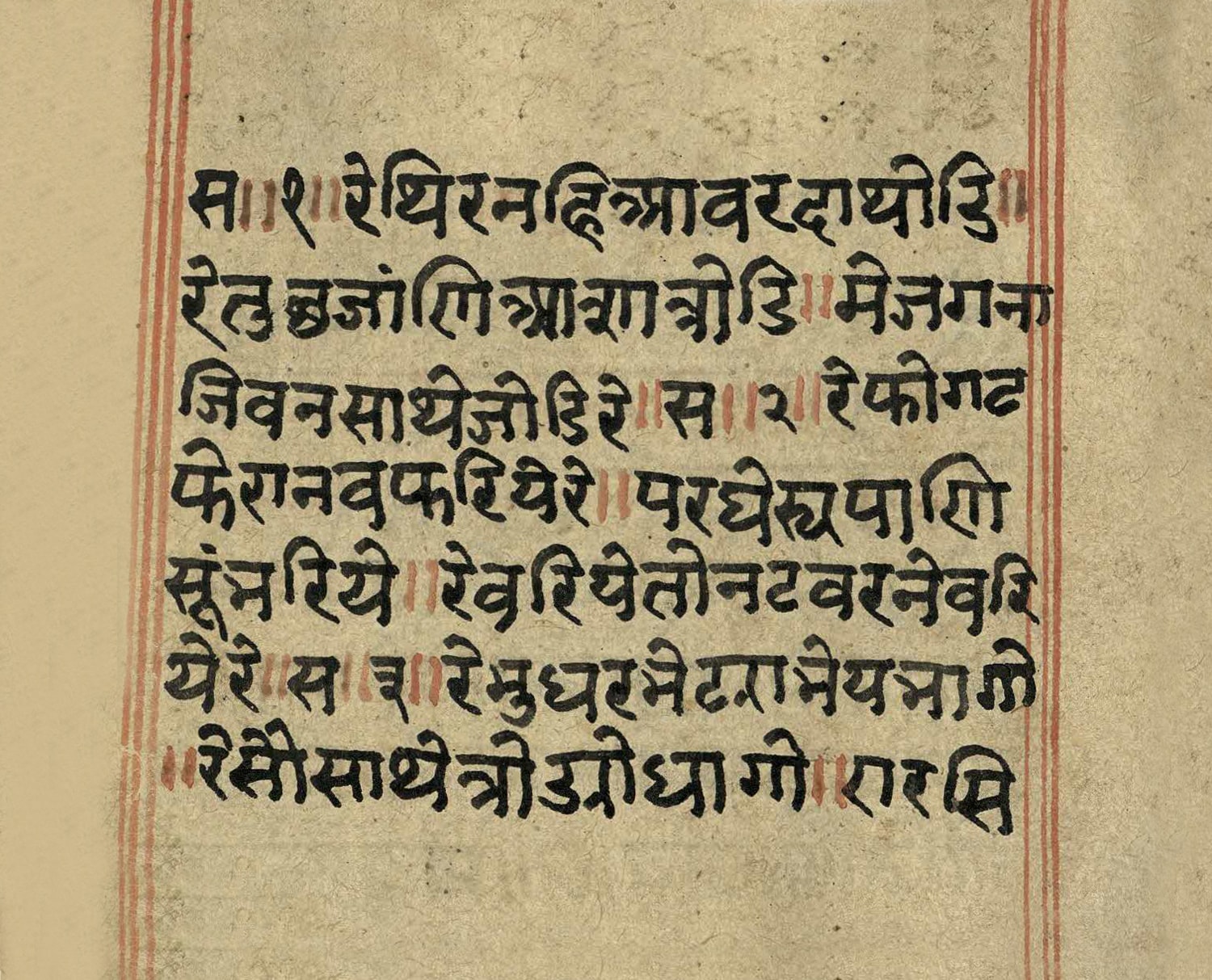
Manuscript of the “Harijan Sacha Re” Chosar – Verse: Kesrī sinhne re…

Brahmānanda provides imagery of a lion coming face-to-face with an elephant. Relative to the enormous and immensely powerful elephant, the lion is insignificant. However, the lion never loses faith or courage. So fearless is the lion that with just the sight of it, its enemies will disperse. Similarly, regardless of the difficulties in a devotee’s life, he or she should never lose heart. This was a characteristic of an ideal devotee.

In his second analogy, Brahmānanda paints an image of a battlefield, in which a valiant soldier never takes a step back regardless of the strength of the opposition.

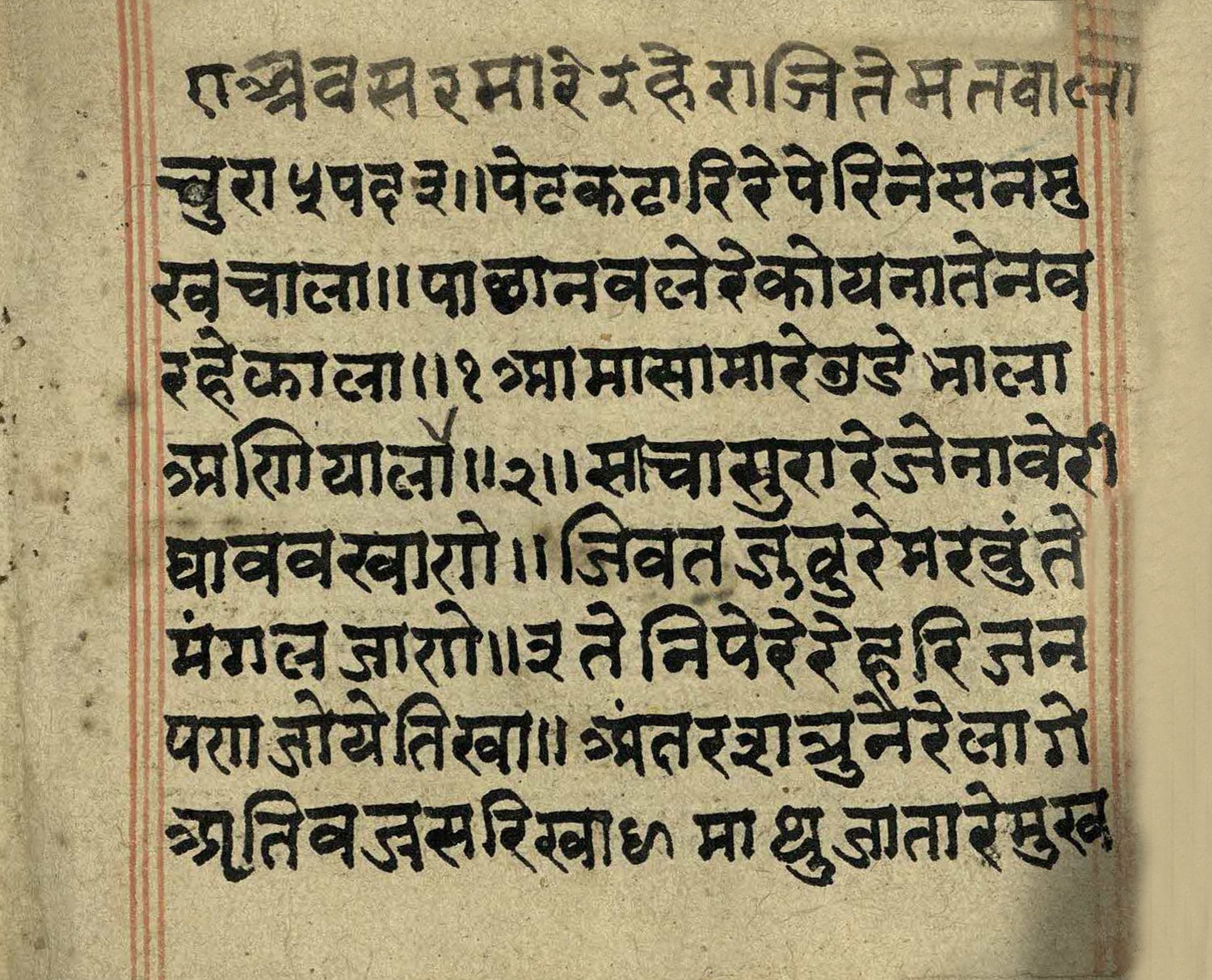
પેટ કટારી રે, પહેરીને સન્મુખ ચાલ્યા,
પાછા ન વળે રે, કોઈના તે ન રહે ઝાલ્યા…


Peṭ katārī re, paherīne sanmukh chālyā;
Pāchhā na vaḷe re koīnā te na rahe jhālyā…


(A brave soldier) stabs himself first (i.e. ready to fight) and walks toward the battlefield. No one can hold him back from fighting.

આમાસામા રે, ઊડે ભાલા અણિયાળા,
તે અવસરમાં રે, રહે રાજી તે મતવાલા…


Āmāsāmā re, ūḍe bhālā aṇiyāḷā;
Te avsarmā re, rahe rājī te matvālā…5


Sharpened spears fly from both sides. Even in that situation, he remains joyful and carefree.

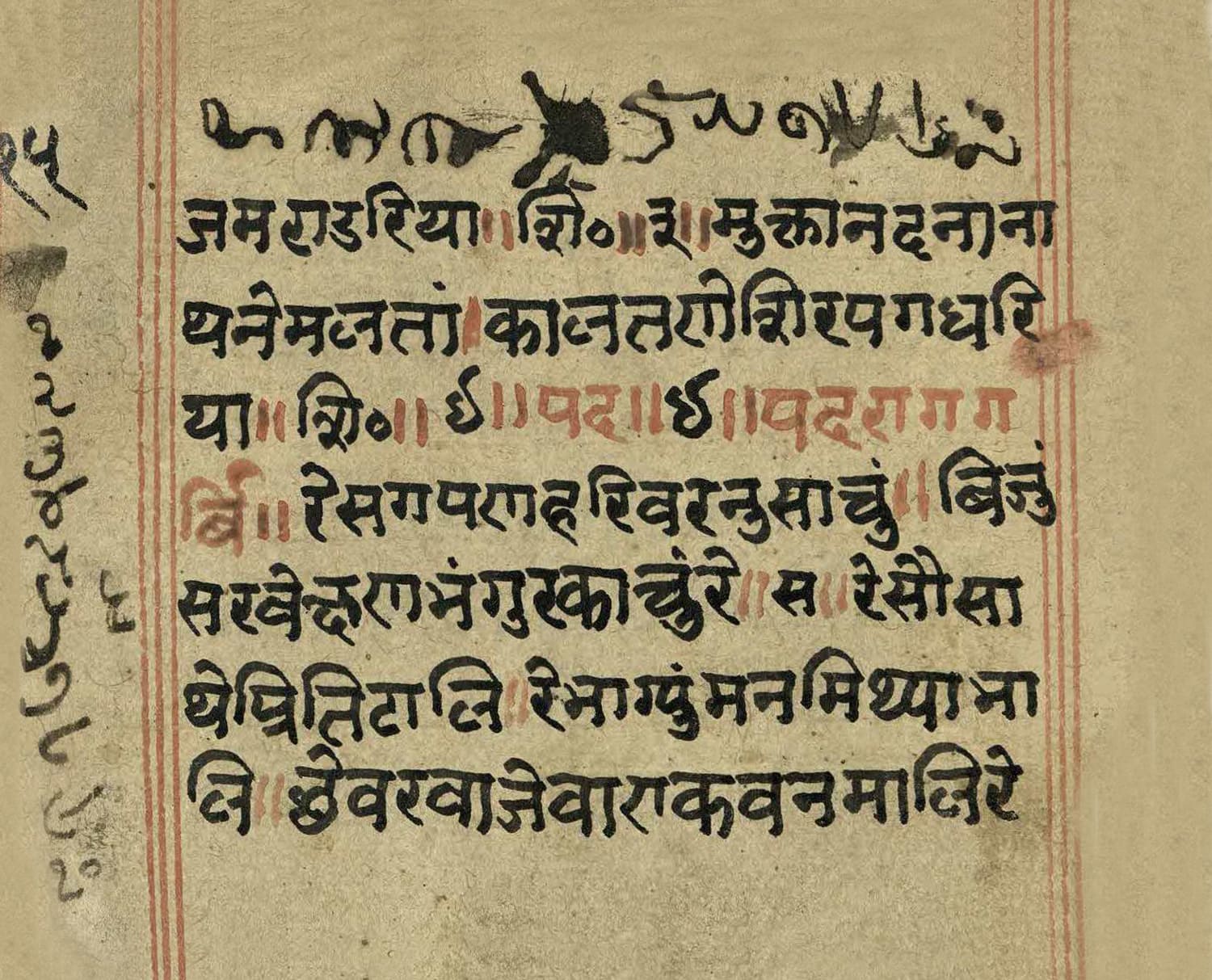
Manuscript of the “Harijan Sacha Re” Chosar – Verse: Tenī pere re…

The analogy represents the immense difficulties followers of Svāminārāyaṇa faced at the time. Sādhus and devotees had given their lives for the faith, and the poem attempts to eradicate the fear in the hearts of the devotees and replaces it with courage. The soldier in the example stabs himself before the battle even begins and happily embraces death; thus, he remains joyful and carefree regardless of the swords, arrows and spears that fly from both sides. There is a finality about this analogy that Brahmānanda wanted to highlight. He wants to emphasize that for a true devotee of God, walking away was not even an option. Irrespective of who or what stood in his way, he would never forsake God. However, this was not simply a mindless soldier walking to his death. Brahmānanda explains further that the devotee’s victory was guaranteed because Bhagavāna helps his brave and courageous followers.

દ્રઢતા જોઈને રે, તેની મદદ કરે મોરારી…


Dradhtā joīne re, tenī madad kare Morārī…6


God helps one who has great courage.

બ્રહ્માનંદ કહે રે, તે સંત હરિ મન ભાવે…


Brahmānand kahe re, te sant Hari man bhāve…7


Brahmānanda Svāmi says God loves brave devotees such as these.

Brahmānanda emphasizes at the end that Bhagavāna is extremely pleased with such a devotee; he ensures the audience that their bravery and courage became their devotion to Bhagavāna, and a medium through which they are able to earn Bhagavāna’s grace.

Another feature of Brahmānanda’s poems is they always have a deeper, more poignant meaning, and this series of poems is a fine example of that. As discussed above, the lion and soldier never give up in the face of insurmountable odds. Likewise, a brave devotee earns Bhagavāna’s grace and their ultimate victory. However, Brahmānanda tells us that a devotee must keep the inner strength required, not to only fight against external enemies, but the true battle that is against our inner adversaries such as ego, lust, greed, anger etc.

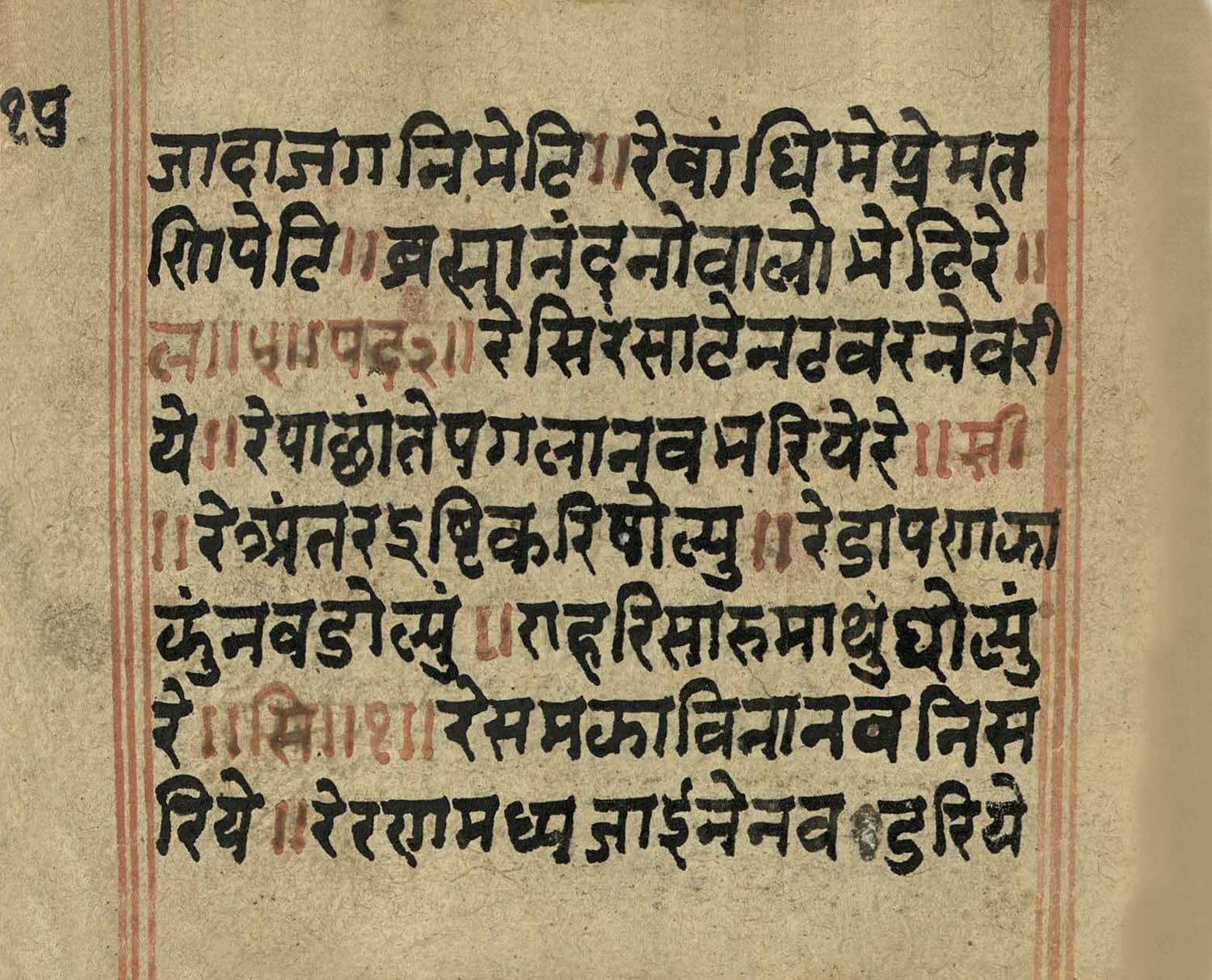
તેની પેરે રે, હરિજન પણ જોઈએ તીખા,
અંતરશત્રુને રે, લાગે અતિ વજ્ર સરીખા…


Tenī pere re, harijan paṇ joīe tīkhā;
Antarshatrune re, lāge ati vajra sarīkhā…8


Just as these brave soldiers, devotees of bhagavāna have to be equally brave. They should fight against their internal enemies, as if they are striking their enemies with lightning.

Manuscript of the “Harijan Sacha Re” Chosar – Verse: Tenī pere re…

Internal vices affect a devotee on a deeper, spiritual level than any external opposition. A devotee may decide to relocate to another town where there is no opposition, however to run from these instincts is impossible. Where persevering through hardships would earn Bhagavāna’s grace, these inner vices would ultimately push him away from Bhagavāna and the Satsaṅga fellowship.

For example, when Svāminārāyaṇa was once travelling from Vartāla to Gaḍhaḍā, Arjuna Bhagata, a sādhu, approached Svāminārāyaṇa and confessed that he was constantly being troubled by worldly thoughts and desires. Svāminārāyaṇa instructed him to sing the Harijan sāchā reseries of poems and think about their meanings whilst walking to Gaḍhaḍā. Brahmānanda’s poems contained such power, that by reaching Gaḍhaḍā, Arjuna Bhagata received great encouragement from within, to continue fighting his mind, and experienced profound peace.9

His poetic writings are not only rich in rhymes, rhythm, alliteration, analogies, metaphors, but also stir the emotions of those who were singing them. Due to these sublime, much deeper messages, Brahmānanda’s poems not only were relevant for his contemporary audience, but for any one thereafter. He addresses the root cause of all of life’s issues, struggles, and our base instincts. Therefore, Brahmānanda’s poems were able to not only inspire from within, but weave courage and bravery into the very fabric of Svāminārāyaṇa’s followers. Furthermore, they were equally important on a deeper, more spiritual level for devotees fighting against their personal vices that lure them away from the path of God.

Detachment and Renunciation…

When Lādudān first met Svāminārāyaṇa in Gaḍhaḍā his life was transformed. Furthermore, when he met Jīvubā and Lāḍubā, two staunch female devotees who taught him that the world’s pleasures are fleeting and temporary, he received the final inspiration to renounce his opulent lifestyle and become a sādhu.10 He describes his initiation into the sādhu – fold in the following verse:

લાડુ મેટકે શ્રીરંગ નામ ધર્યો, દોઉ લીન બ્રહ્માનંદ નામમેંજી,
ચિત્તધાર સહજાનંદ શ્યામ છબિ, જગ જીત ગયો નિજ ધામમેંજી.


Lāḍu meṭa ke śrīraṅga nāma dharyo, douṃ līna brahmānanda nāmamejī;
Citta dhāra sahajānanda śyāma chabī, jagajīta gayo nija dhāmamejī.11


Discarded is the name Lādudān, for it is now Śrīraṅga. Both names forsaken into the name of Brahmānanda. My mind won over by Sahajānanda, I have won the world and his heaven.12

Then Brahmānanda’s true test began. Brahmānanda’s mother Lālubā, father Śambhudānajī, and fiancée came to Gaḍhaḍā to implore him to return home. However, Brahmānanda’s mind was fixed. He composed three poems to convince his family to return home without him – “Re sagpaṇ Harivarnu sāchu,” “Re shir sāṭe Naṭvarne varīe,” and “Vā’lā lāgo chho vishva ādhār re, sagpaṇ tam sāthe.” These poems stand witness to his thoughts and struggles as Brahmānanda projects the inner struggles of his mind during this very emotional incident. Without refrain, one can witness vividly Brahmānanda’s strength of character, devotion to Svāminārāyaṇa, and his qualities of an ideal spiritual aspirant.

In the first poem, Brahmānanda relay to his fiancée and family, that the world, his relationships in it, wealth and belongings, are all temporary.

રે સગપણ હરિવરનું સાચું,
બીજું સર્વે ક્ષણભંગુર કાચું…


Re sagpaṇ Harivarnu sāchu,
Bīju sarve kshaṇbhangur kāchu…


Only the relationship with God is true and permanent. All other relationships are false, temporary, and ephemeral.

રે સૌ સાથે પ્રીતિ ટાળી, રે ભાંગ્યું મન મિથ્યા ભાળી,
છે વરવા જેવા એક વનમાળી…


Re sau sāthe prīti ṭāḷī, re bhāngyu man mithyā bhāḷī,
Chhe varvā jevā ek Vanmāḷī…


I have broken my affection to everyone else. I have broken the wishes of the mind (to marry anyone else) believing it to be false. Only God is worthy of being wed.

રે સ્થિર નહિ આવરદા થોડી, રે તુચ્છ જાણી આશા તોડી,
મેં જગના જીવન સાથે જોડી…


Re sthir nahi āvardā thoḍī, re tuchchh jāṇī āshā toḍī,
Me jagnā Jīvan sāthe joḍī…13


One’s lifespan is uncertain. I broke all expectations, understanding worldly life to be trivial. I have joined myself to God, the life of the whole world.

He stresses that his relationship with God, Bhagavāna Svāminārāyaṇa, is everlasting. Brahmānanda explains that life is also uncertain and the world trivial; therefore, he has renounced his worldly attachment. Brahmānanda defiantly writes that against the wishes of his mind, he has turned his back on the world and become a sādhu.

Hearing these words, the family decided to return home without Brahmānanda. However, his mother and father tried once more. Even his mother, who was reserved till now, asserted her opinion. She warned her son that he was acting impetuously, that his detachment will not last. Therefore, in the long run, he will neither be happy as a sādhu, nor be able to return home.14 The mother was not wrong in her logic as these were the exact teachings of Svāminārāyaṇa recorded in Vacanāmṛta Kariyāṇī – 7,

“…if someone’s obsession diminishes after a few days, then the vairagya (detachment) that develops can cause tremendous harm. How? Well, when he does have the obsession, he renounces and leaves his home. Then, after he accepts the saffron robes, the obsession that he had previously developed subsides; but the house he left behind would be in ruins. Then, like the dog of a washerman who is fed neither at home nor at the river, he falls from both paths.”15

Not easily swayed, Brahmānanda was unequivocal with his response. He spontaneously composed and sang the “Re shir sāṭe Naṭvarne varīe” poem where the conclusiveness of his language, much like in the examples he used in the “Re sagpaṇ Harivarnu sāchu” poem, is vivid and full of imagery. Brahmānanda, in this poem, discusses very candidly the struggle and fight that is ensuing.

રે શિર સાટે નટવરને વરીએ, રે પાછાં તે પગલાં નવ ભરીએ…


Re shir sāṭe Naṭvarne varīe, re pāchhā te paglā nav bharīe…


After you have wedded God, there is no turning around.

રે સમજ્યા વિના નવ નીસરીએ, રે રણ મધ્યે જઈને નવ ડરીએ,
ત્યાં મુખ પાણી રાખી મરીએ…


Re samjyā vinā nav nīsarīe, re raṇ madhye jaīne nav ḍarīe,
Tyā mukh pāṇī rākhī marīe…


Never enter a battlefield without thinking, but once you are there, the only thought you should have is to die for your cause.

રે પ્રથમ ચડે શૂરો થઈને, રે ભાગે પાછો રણમાં જઈને,
તે શું જીવે ભૂંડું મુખ લઈને…


Re pratham chaḍe shuro thaīne, re bhāge pāchho raṇmā jaīne,
Te shu jīve bhundu mukh laīne…16


One who runs to a battlefield hastily as a brave soldier, but then decides to retract as a coward – how is he to live with any sense of pride?

He expresses that now that he has wedded Bhagavāna, he will never turn back. Brahmānanda utilizes one of his favorite analogies, the battlefield. He says that he has thoroughly thought through what he has done by entering this battlefield, and if need be will die there. Having once stepped onto the battlefield, walking back is cowardly and reprehensible. These words accomplished their task and his parents returned to Rājasthāna.

When the Mahārājā of Vaḍodarā found out about Lādudān’s decision to become a sādhu, he tried to entice him to return and become his official royal poet. The Mahārājā Sayājī Rāva showed his willingness to give twenty-five villages along with Vaḍodarā City’s mansion and garden, an elephant17, chariot, and a seat in the court worth twice as much than the richest person in the state.18 The Mahārājā believed he could convince Brahmānanda to change his mind, and the parents’ dashed hopes received new life. However, Brahmānanda sternly responded with utter conviction:

મેં ઢાઢી મહારાજ કો, હાજર હુકમ હજુર,
ગાયો જશ ગોવિંદ કો, પાયો ધન ભરપૂર.


Mai ḍhāḍhī Mahārājko, hājar hukam hajūr;
Gāyo jas Govind ko, pāyo dhan bharpūr…


I am a servant Svāminārāyaṇa’s, always at his service.
My earnings are in the singing of my master’s praises.

દાસન કો મૈં દાસ હુઁ, હરિ કે સદા હજૂર;
બ્રહ્માનંદ કી વિનતી, નિમખ ન રખીઓ દૂર.


Dāsan ko mai dās hu, Harike sadā hajūr;
Brahmānand kī vinatī, nimakh na rakhīo dūr…19


I am forever the servant of my master’s servant. Please accept Brahmānanda’s prayers to not keep him apart from you for even a blink of an eye.

In these series of events, Svāminārāyaṇa, quite unexpectedly, sympathized with the family. The person for whom he had decided to give up everything suddenly switched sides. Brahmānanda’s responded to this final impediment with a spontaneous poem, “Vālā lāgo chho vishva ādhār re, sagpaṇ tam sāthe.”

મારા મનમાં વસ્યા છો આવી શ્યામ રે,
તમ સારુ તજ્યું ધન ધામ રે…


Mārā manmā vasyā chho āvī Shyām re…
Tam sāru tajyā dhan dhām re…


You have already won over my mind, and it is for you I have renounced all wealth and kin.

મારું મનડું લોભાણું તમ પાસ રે,
મુને નથી બીજાની આશ રે…


Māru manḍu lobhāṇu tam pās re…
Mune nathī bījānī āsh re…


I have no other expectations from anyone as my mind is only drawn to you.

મારે માથે ધણી છો તમે એક રે…


Māre māthe dhaṇī chho tame ek re…20


You are the only authority over my head now.

Brahmānanda unequivocally stresses that his previously-infatuated mind is now firmly affixed to Bhagavāna. Brahmānanda expands on his relationship with Svāminārāyaṇa. Previously, Lādudān, who made such a lasting impression on kings with his poetic ability and supreme intelligence, had been humbled and become a servant of Svāminārāyaṇa, his only master.

In these poems, Brahmānanda is able to intertwine detachment and renouncement with devotion in a unique way.21, 22 He severed his materialistic ties to the world and simultaneously attached himself to Bhagavāna. So strong was his message that his family, fiancée, and the Mahārājā of Vaḍodarā failed to pry Brahmānanda away from Svāminārāyaṇa.

Poetically, his works fit pre-defined meters combined with a strong sense of rhythm, rhyme, allegory, and alliteration.23 However, as for his thoughts and message, Brahmānanda effortlessly introduces and employs many different features into his poetry: the topical references; an encyclopedic knowledge of history; a pervasive spirit of benevolence and geniality; inexhaustible powers of character creation; and a prose style that was captivating.

The Magnificent Musician

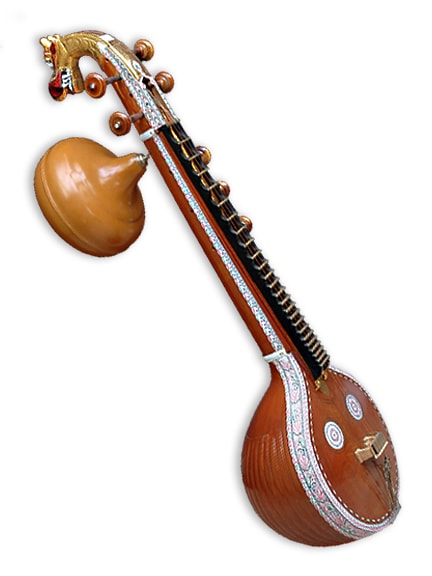
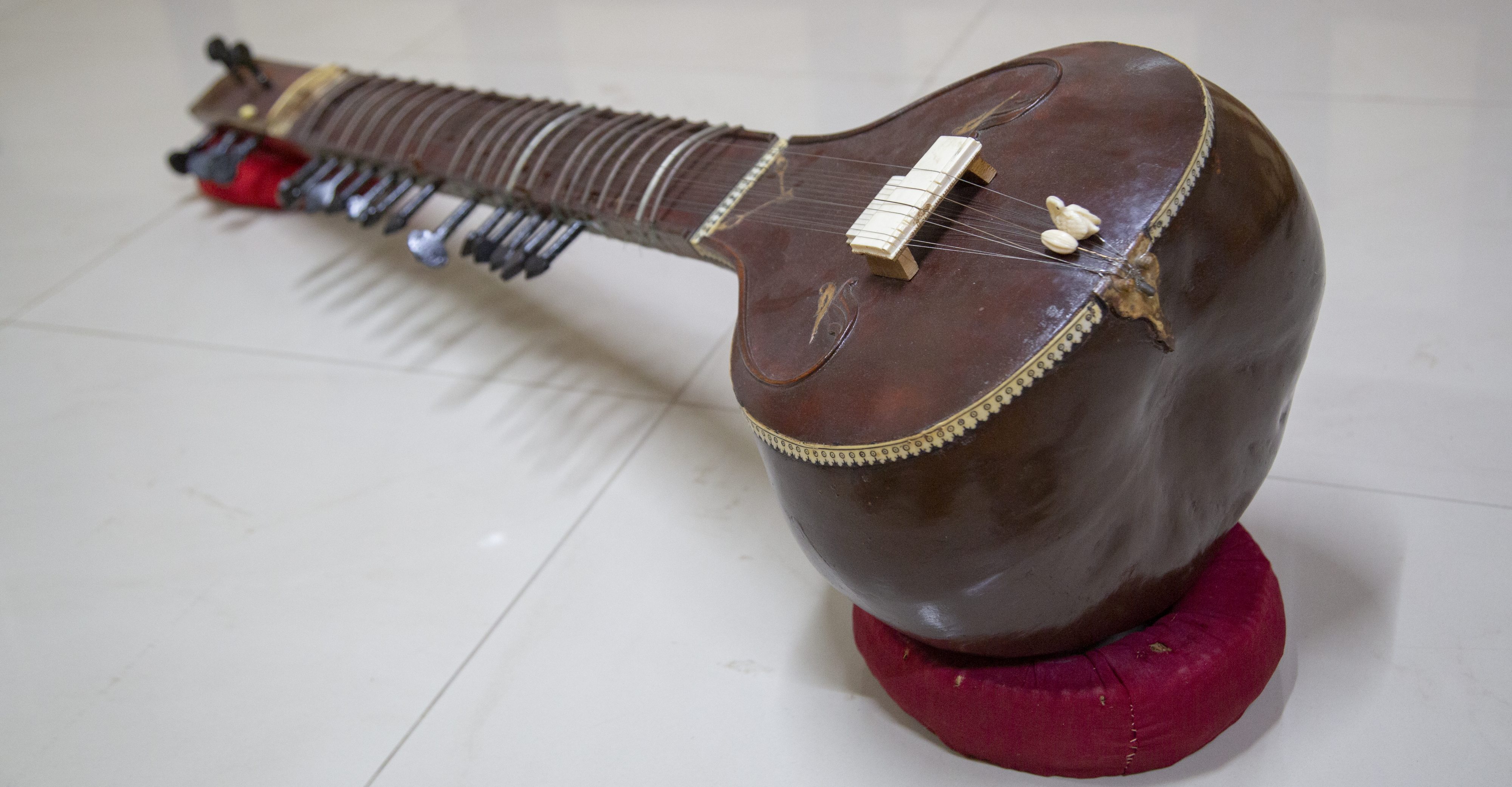
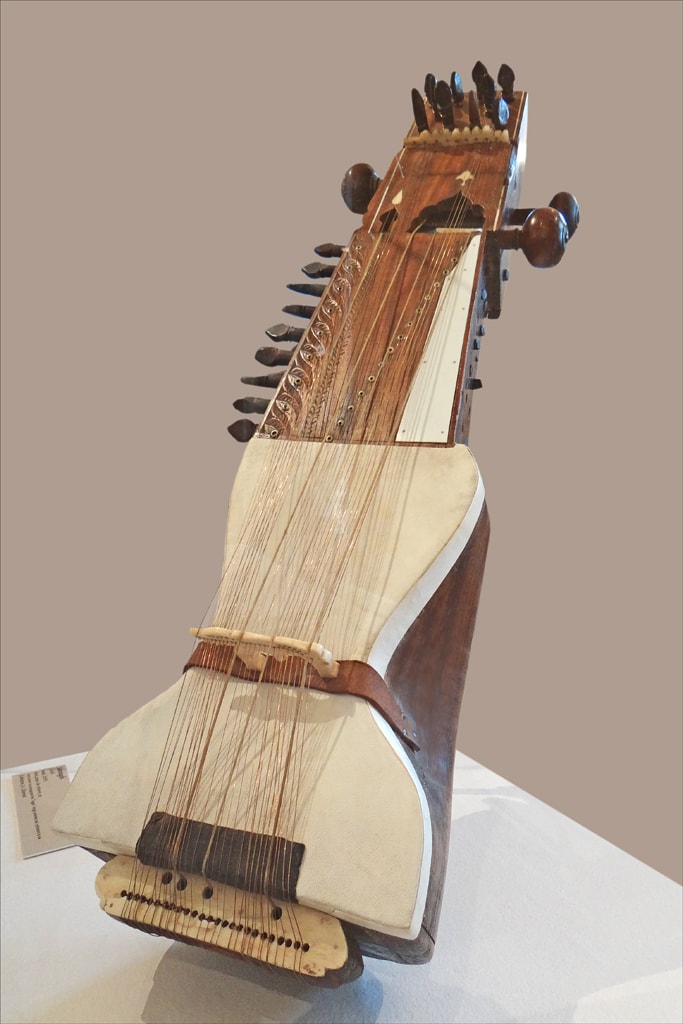
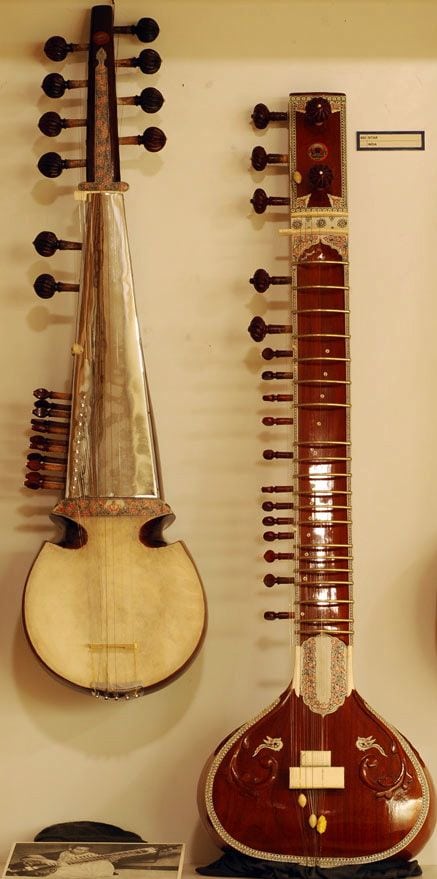
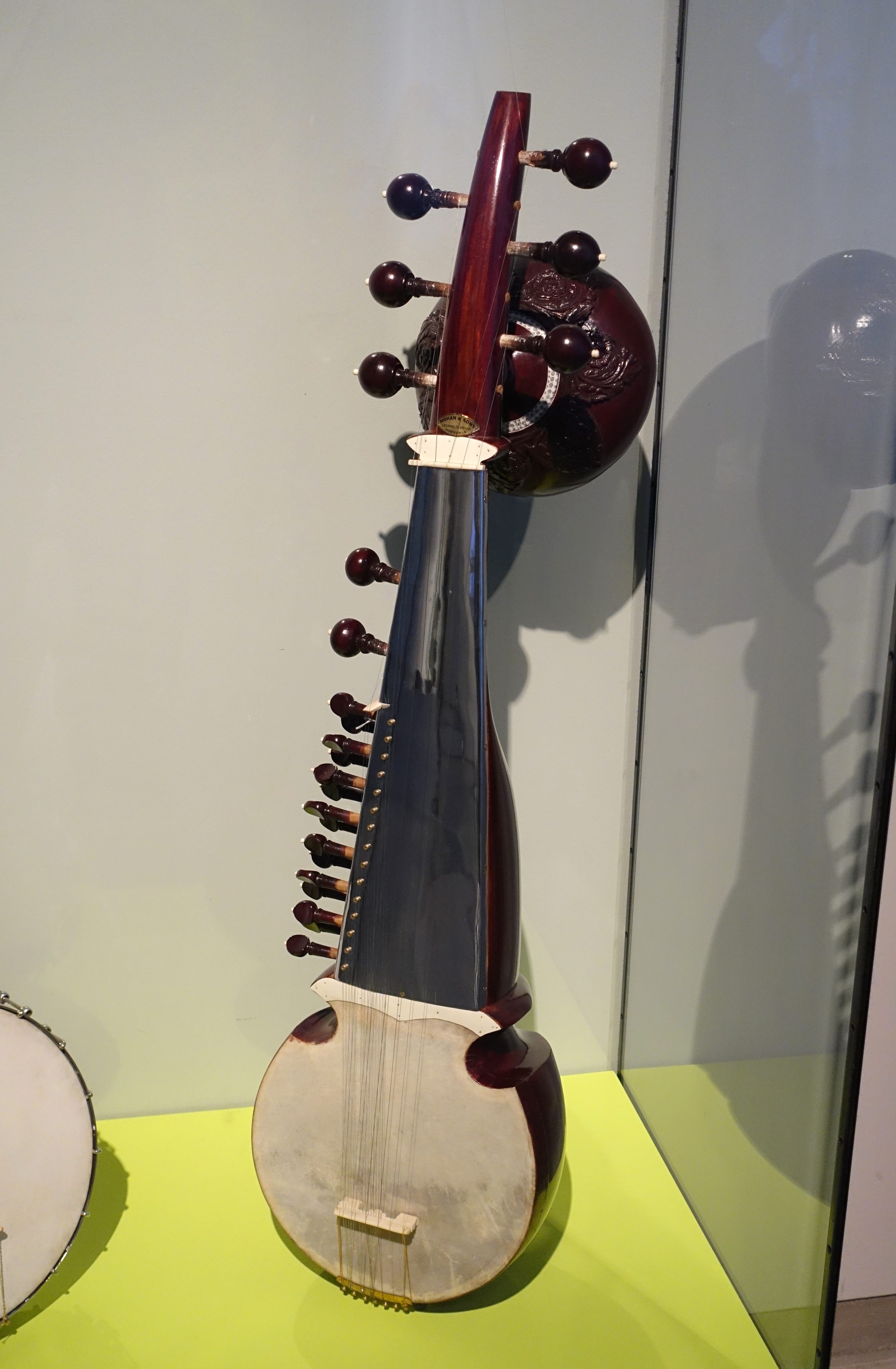
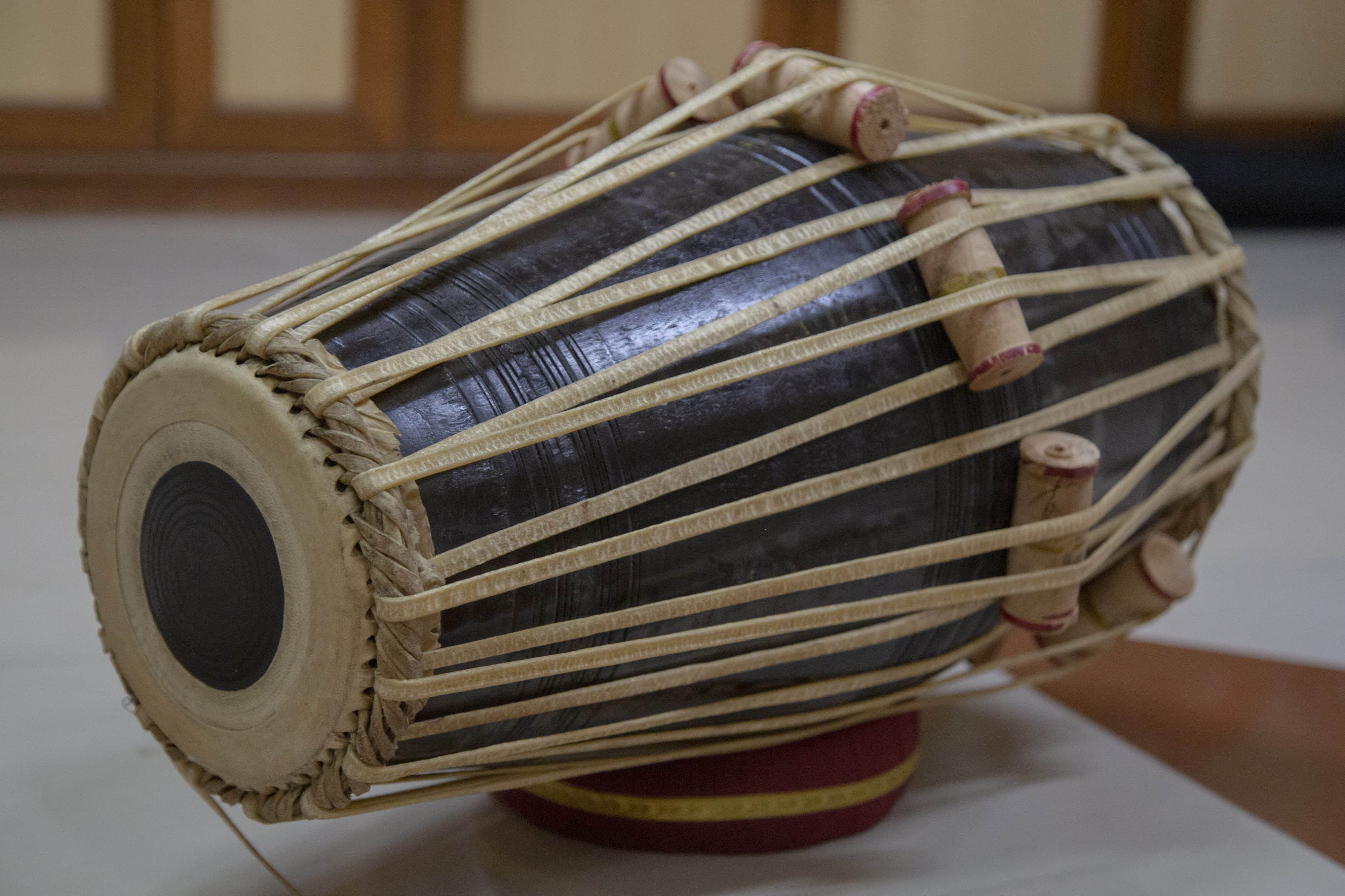
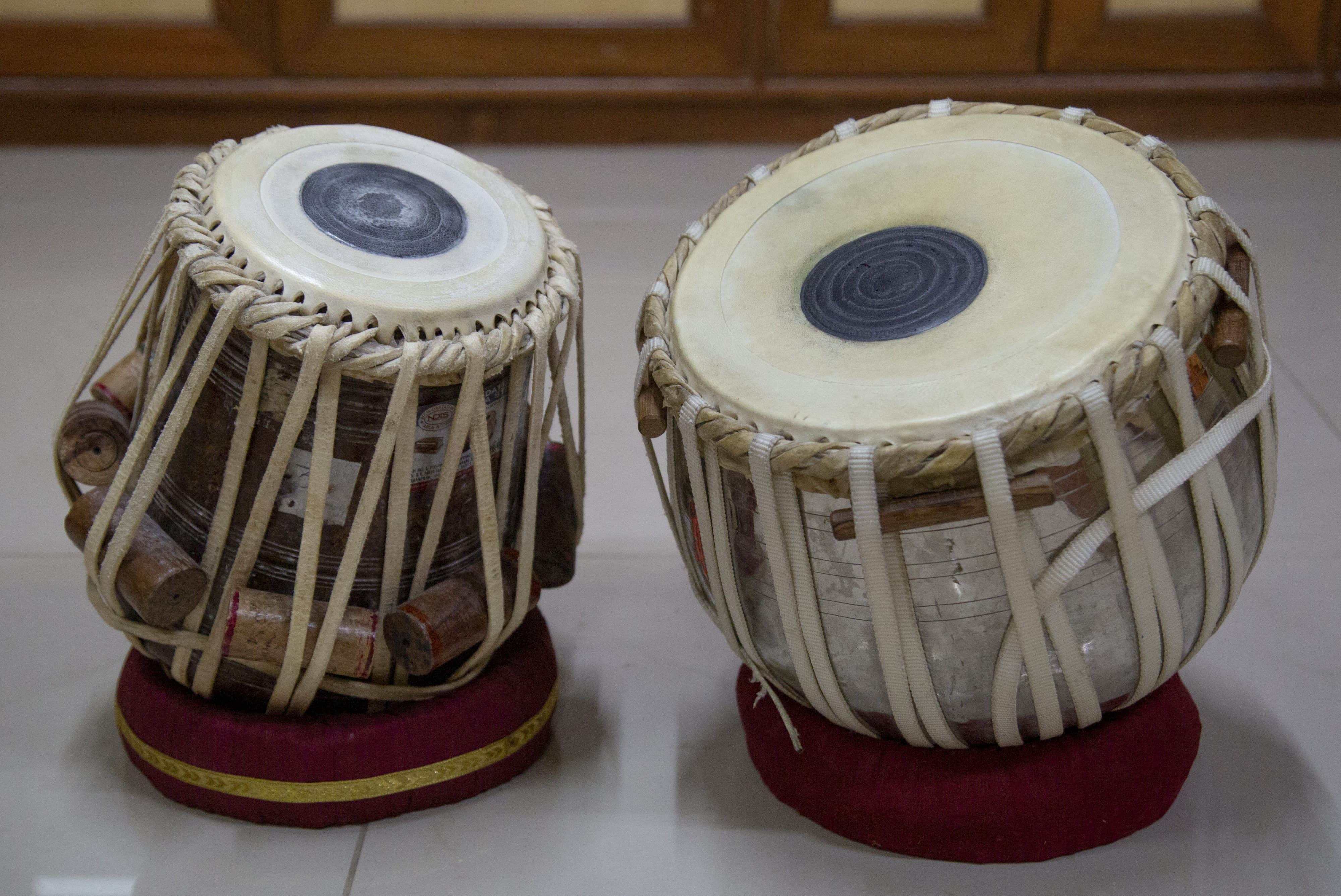
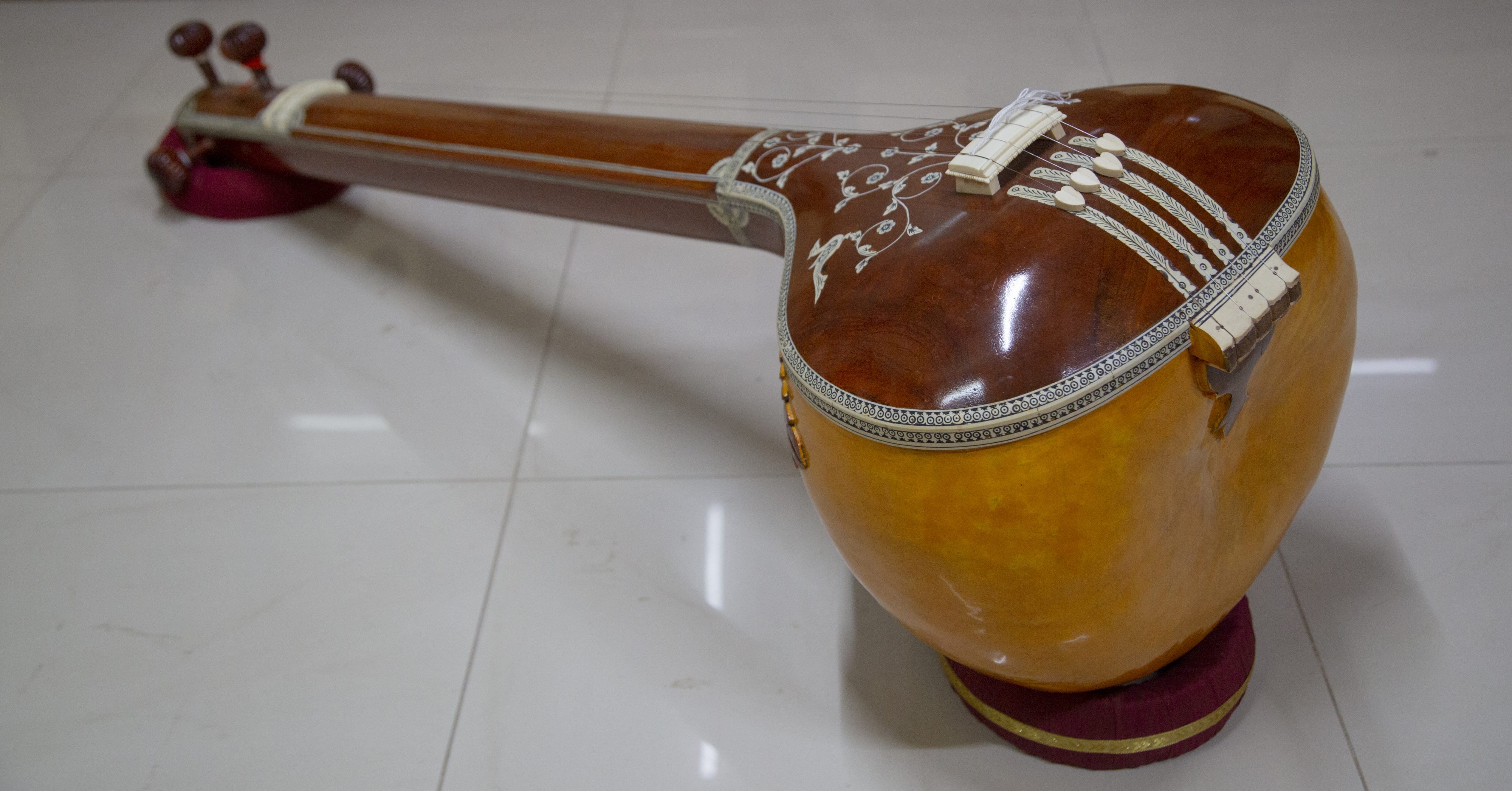
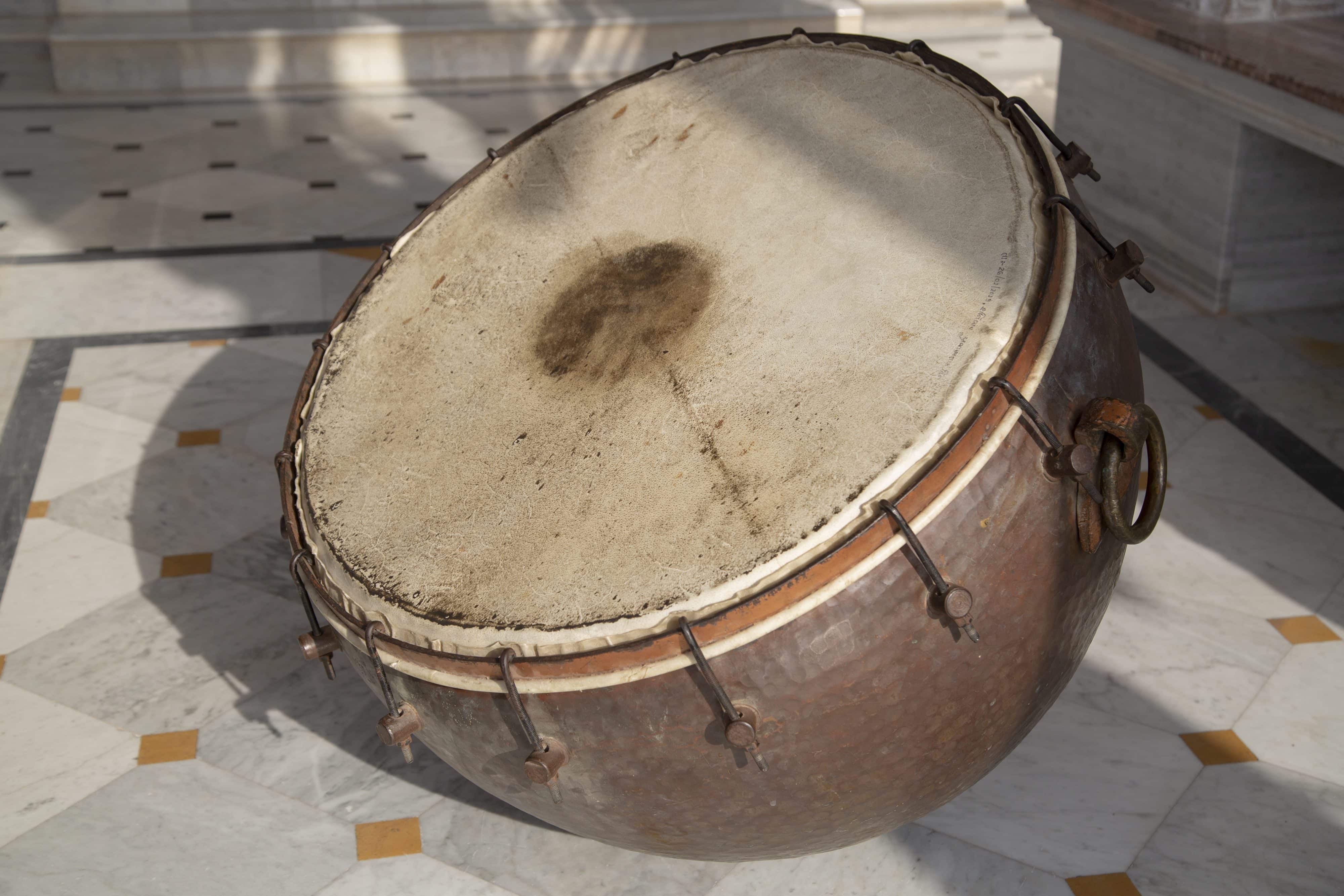
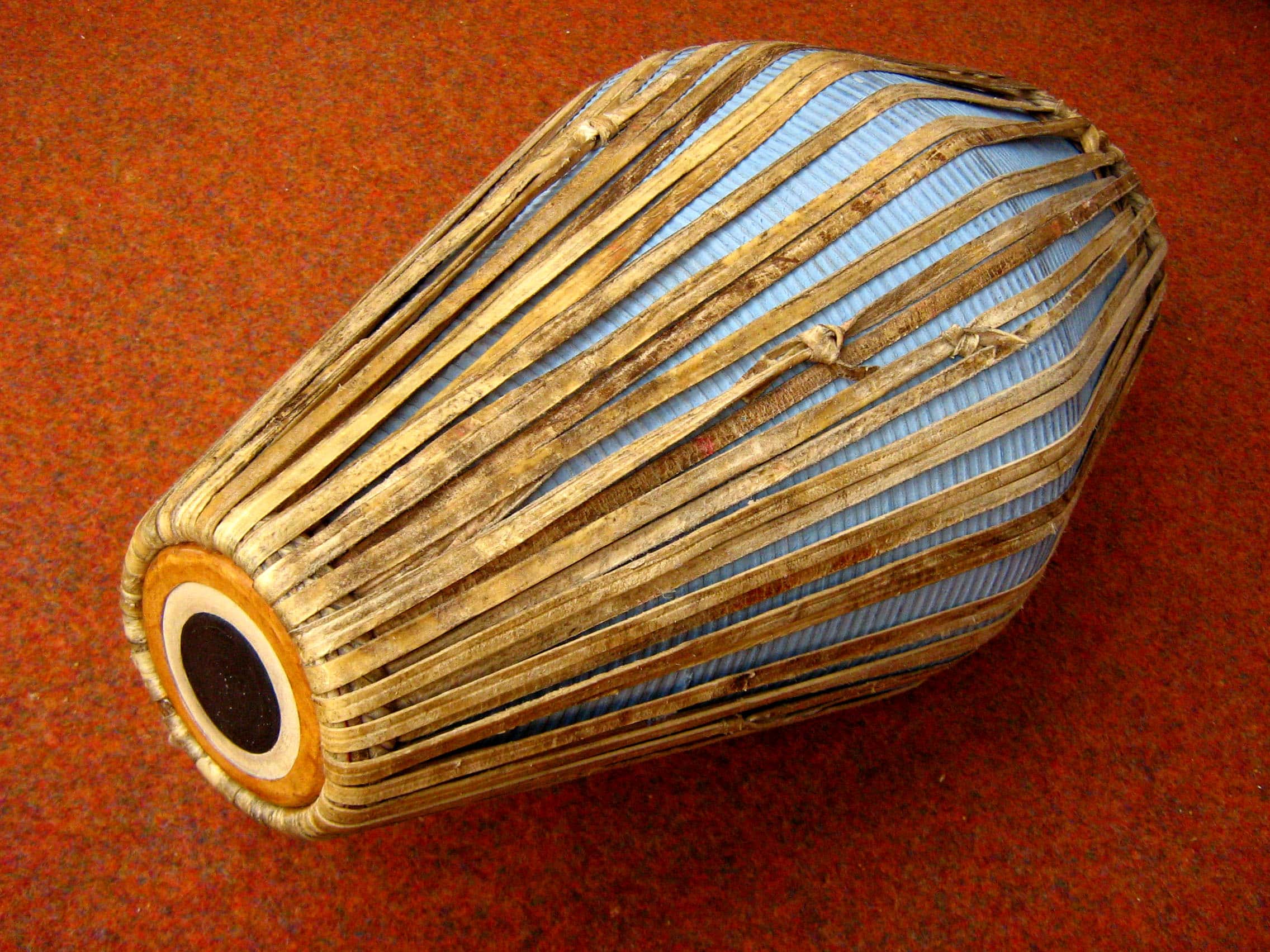
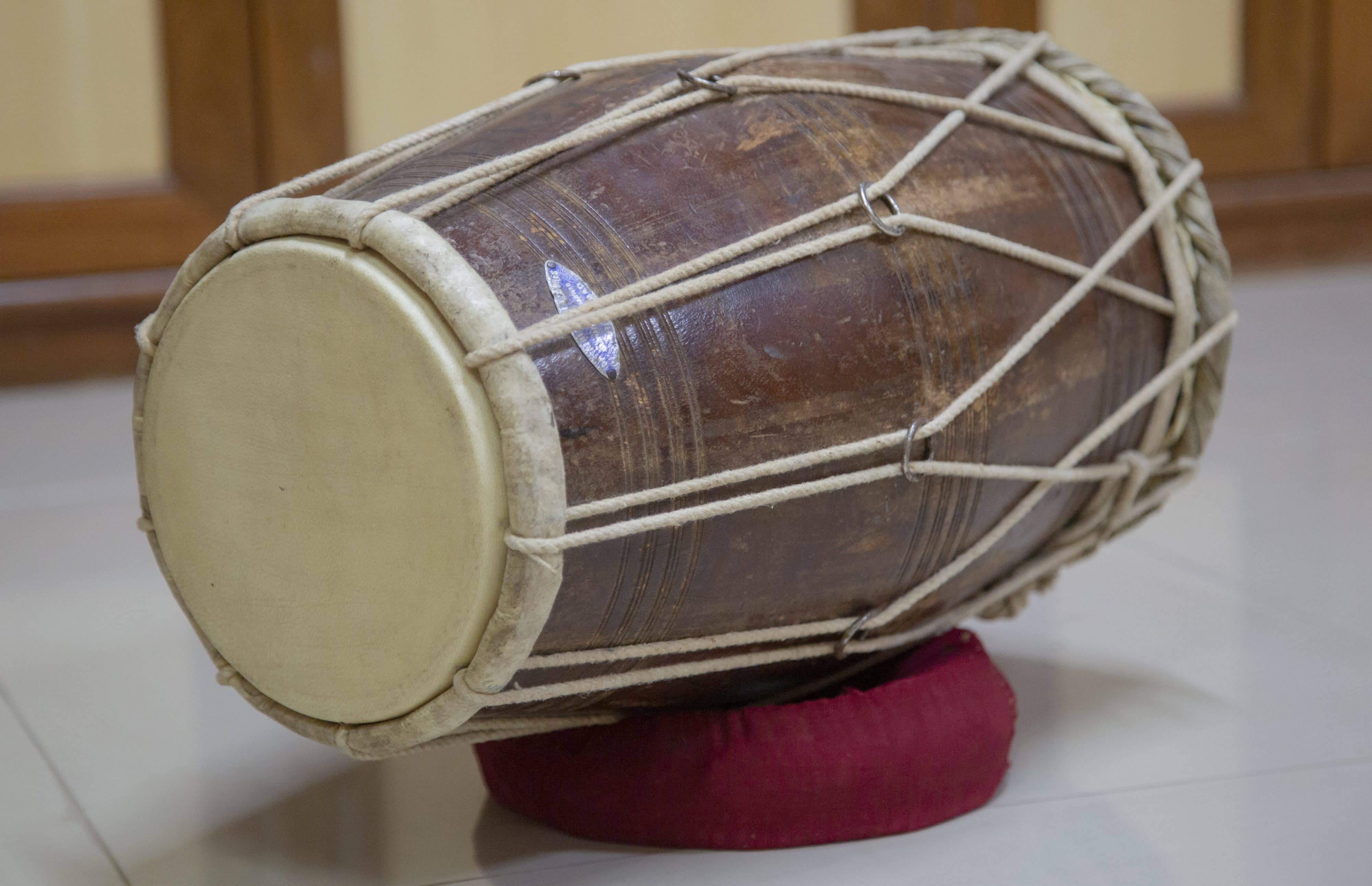
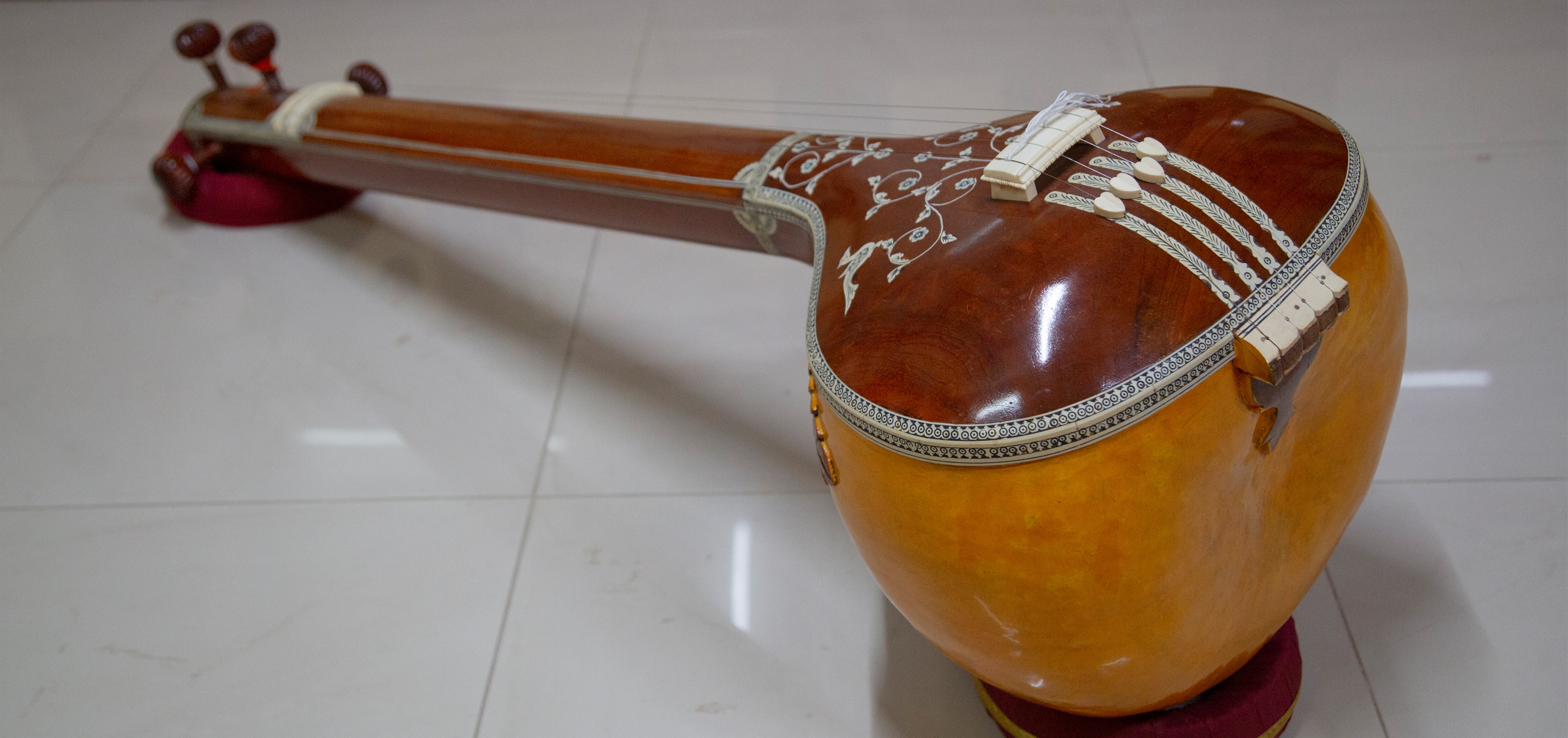
Brahmānanda was also an accomplished musician. Along with his mastery on string instruments like sitāra, saroda, vīṇā, sārangī, and tānapurā and he was a master percussionist who could play tabalā, pakhāvaja, nagārā, dukkaḍa, dholaka, and mṛdanga.24

Vīṇā

Sitāra

Sārangī

Saroda and Sitāra

Saroda

Pakhāvaja

Tabalā, also known as Dukkaḍa

Tānapurā

Nagārā

Mṛdanga

Dholaka

A Linguist and Singer

Writers and lyricists are generally not known for their singing abilities. However, along with his mastery in poetry and as a musician, Brahmānanda was an exceptional singer who could rouse the toughest of crowds. Coupled with his sacred bond with Svāminārāyaṇa, his works exemplified his mastery in twenty-seven chandas25 and seventy-two classical rāgas.26, 27 Seldom has one artist’s work ever reflected such a versatile variety of bhajanas (religious hymns) written in a vast quantity and quality.28 His exceptional control over the Carcarī, Candrāyaṇā, and Reṇakī Chandas cannot go unnoticed. Even poets today in Gujarāta fail to par his excellence in these chandas. Brahmānanda’s literary specialty is also highlighted with his grip on language. He has written over nineteen texts,29 comprising over 8000 poems in Cāraṇī, Kacchī, Rājasthānī, Māravāḍī, Vraja, Hindī, and Saṃskṛta languages.30

His power over language can be seen throughout his work. On one occasion, Brahmānanda was challenged to write a poem that can be orated with needles placed between the readers mouth. As the reader sings or narrates the poem, not one drop of blood should be spilt. Brahmānanda wrote a spontaneous poem in the Adharauṣṭha prabandha – a composition in Gujarātī which avoids using the five labial letters. Naturally, it is very difficult to avoid these characters to create words, nonetheless an entire poem. Brahmānanda cleverly writes:

સ્રષ્ટા કારન સકલ કે, દ્રષ્ટા નષ્ટા દેખ;
કષ્ટા હર નિજ દાસકે, ઇષ્ટા દૃગ કી રેખ.


Sraṣṭā kārana sakala ke, draṣṭā naṣṭā dekha,
Kaṣṭā hara nija dāsake, iṣṭā dṛga kī rekha.31


All that can be seen in this world is perishable. In that too, God – the creator of all that is – can perish his servant’s miseries with a blink of an eye.

Moreover, Brahmānanda’s linguistic prowess can be seen in an event even earlier in his life. During his travels, the Mahārājā of Bhāvnagara once decided to honor the talented Lādudān at a considerable expense. The king’s finance minister, Rāvasāheba Lakṣmaṇarāva, himself educated in music and poetry, challenged Lādudān if he could compose poems in any language besides Hindī. Lādudān roused himself for the challenge. He told a story of the daughter of a king who had fallen ill. The daughter’s six friends, each from a different part of the country, visit her. This was the imaginary backdrop to Lādudān’s answer. The first poem he spontaneously composed, described the conversation the daughter had with her friend from Gujarāta; the poem was composed in Gujarātī.

કહે ગુજરાતિ તારી પીડા તો કળાતી નથી, મનમાં મુંઝાતી ડીલે દુબળી દેખાતી છે,
નાતી નથી ખાતી નથી ગીતે મુખે ગાતી નથી, બોલતી લજાતી બાઘા જેવી તું જણાતી છે;
રાતી રાંણ જેવી હતી દિસે છે સુકાતિ જાતિ, આંખો રાતી રાતી તારી છાંતિ તાતી તાતી છે,
પ્રવિણ પંકાતિ તુંતો ગુણીમાં ગણાતી પણ, ભાંસેએ વિભાંતિ જાણે ભ્રમાંતિમાં ભમાતિ છે.


Kahe gujarāti tārī pīḍā to kalātī nathī, manamāṃ muñjhātī ḍīle dubalī dekhātī che,
Nātī nathī khātī nathī gīta mukhe gātī nathī, bolatī lajātī bāghā jevī tuṃ jaṇātī che;
Rātī rāṃṇa jevī hatī dise che sukāti jāti, āṅkho rātī rātī tārī chāṃtī tātī tātī che,
Praviṇa paṅkāti tuṃto guṇīmāṃ gaṇātī paṇa, bhāṃsee vibhānti jāṇebhramāntimāṃ bhamātī che.32


Dearest friend, please listen to me. Do not worry. Seeing your ill health, all of your friends are deeply worried. Please tell us about your illness.
You have relinquished bathing, eating, you cry day and night. Therefore, we are not able to understand your heart’s desires.
If you are experiencing any pain, then we can call the doctor, and if you are feeling the heat, we will cool you down by waving a fan made of flowers.

The second poem, composed in Kacchī, describes a conversation between the daughter and her friend from Kaccha. The third in Marāṭhī, fourth in Māravāḍī, fifth in Urdu, and the sixth friend from Banārasa, whose conversation is in Saṃskṛta.

વચનં વદામીતે હિતાય ત્વત સુખાય ચાહં, ભુત્વા સાવધાના તતૃશ્રણું ભાગ્યશાલિકે
કેયં કૃતાભિના ભુત્વા ત્વય, ત્યં ચાક્રંદતા, માં વદસ્ય કારણં તન મૃદલમૃણાલિકે;
ત્વમસિ વિદ્યાવતિ પ્રભાવતિ ક્ષમાવતિંચકિવદામિત્વામહં સદગુણીં મણીમાલીકે,
ધૈર્ય ધુત્વા ભુત્વા સ્થિરા તું વિનષ્ટં કુરૂ, બુદ્ધિ મતિં ભવત્વં પ્રવીણે ભૂપબાલિ કે;


Vacanaṃ vadāmīte hitāya tvata sukhāya cāhaṃ, bhutvā sāvadhānā tatṛśraṇuṃ bhāgyaśālike
Keyaṃ kṛtābhinā bhutvā tvaya. Tyaṃ cākrandatā, māṃ vādasya kāraṇaṃ tana mṛdalamṛṇālike;
Tvamasi vidyāvati prabhāvati kṣamāvatiñcakivadāmitvāmahaṃ sadguṇīṃ maṇīmālīke,
Dhairya dhutvā bhutvā sthirā tuṃ vinaṣṭaṃ kurū, buddhi matiṃ bhavatvaṃ pravīṇe bhūpabāli ke.33


My words are only for your betterment and happiness; please listen carefully. Tell me why you are so afraid, and full of tears? You are educated, charismatic, forgiving, and full of other desirable qualities. What else can I tell you? Remain composed and be patient as your difficulties will soon end. You are a princess, and thus it does not suit you to act as such.

Six poems, in six languages, instantaneously.34 Even his spontaneous compositions never lost their charm.35 Thus, Brahmānanda’s linguistic dexterity led prominent contributors to Gujarātī literature like Kanaiyālāla Munaśī to profess, “In the beauty of language, Brahmānanda surpasses all his contemporaries except Dayārama.”36

In another incident highlighting his linguistic prowess, Brahmānanda was challenged by a scholar mid-assembly in Amadāvāda when he doubted the linguist’s command over the Saṃskṛta language. Brahmānanda replied,

ભાષા સો શાખા જ હૈ, સંસ્કૃત હૈ મૂળ,
મૂળ રહત હૈ ધૂળમેં, શાખામેં ફળફૂલ.


Bhāṣā so śākha ja hai, saṃskṛta hai mūla.
Mūla rahata hai, dhūla meṃ, śākhā meṃ phala phūla.
37


“The root of all languages is Saṃskṛta, but the roots always remain in the dirt, while fruits and flowers blossom atop.”

Then, Brahmānanda cleverly scribbled down a verse in the Savaiyā Chanda on a piece of paper. He passed the note to the scholar and asked him to decipher what was written.

યા મગરી મગરી તગરી, નગરી ન ગરી સગરી બગરી હૈ,
વાટ પરી ડગરી ડગરી સઘરી ખગરી કગરી અગરી હૈ;
શીશ ભરી ગગરી પગરી, પગરી ઘુઘરી ઉગરી ભૂ ગરી હૈ;
બ્રહ્મમુનિ દ્રગરી ફગરી, લગરી લગરી ફગરી રગરી હૈ.”


Yā magarī magarī tagarī, nagarī nagarī sagarī bagarī hai,
Vāṭa parī ḍagarī ḍagarī, khagarī khagarī kagarī agarī hai;
Śīśa bharī gagarī gagarī, pagarī ghugharī ugarī bhūgarī hai,
Brahmamuni dragarī phagarī, lagarī lagarī ragarī ragarī hai.38


The verse tells of a story of when the Gopīs complained to Yaśodā that her son, Kṛṣṇa, was harassing them, and that she should scold him for his bad behavior. Defending himself, Kṛṣṇa says:


On this path, I tried to push the Gopīs away but they still did not enter the town. They are all liars. They were walking along the path slowly like crows! On their heads, they were carrying pots. Then, the anklets they were wearing broke, and the path was scattered with little ornaments. I was only trying to pick all these ornaments in order to help them!

The scholar was speechless as the words and their etymological differences were too difficult to decipher. As Brahmānanda revealed the depth of the verse, in which each word held eight individual meanings, the scholar was left stunned. His ability to alliterate while using a play on words to elucidate an entire story in this manner impels critics like Kṛṣṇalāla Jhaverī to exclaim that, “Brahmānanda has used a number of illustrations and instances which show his marvelous grasp and knowledge of social problems, manners, and customs; his power over words, the content of his vocabulary is such that the very reading of his verses produces in the reader an indefinable emotion of pleasure and satisfaction…”39

Such was the depth in Brahmānanda’s musical ability. Not only could he write and compose, but he was an accomplished musician and singer. Such depth was not limited to one field. Brahmānanda was able to develop similar expertise in building mandiras. Not only could he design mandiras, but he was able to manage the entire building process from the foundations to completion. He was adept at finance, labor, time and crisis management. Amidst extremely challenging circumstances he was directly involved in four of the six mandiras built by Svāminārāyaṇa. The penultimate article in this series will look closer at Brahmānanda’s architectural capacities.

To Be Continued...

Works Cited

Brahmānanda Chanda Ratnāvalī. 1st ed., Śrī Svāminārāyaṇa Vidyārthībhavana (Gurukul), 1998.

Caudharī, Raghuvīra. Svāminārāyaṇa Santa Sāhitya. 1st ed., Bocāsaṇavāsī Śrī Akṣara Puruṣottama Saṃsthā, 1981.

Dave, H. T. Life and Philosophy of Shree Swaminarayan 1781-1830. Edited by Leslie Shepard, 1st ed., George Allen & Unwin Ltd., 1974.

Dave, Īśvaralāla R. Brahmānanda Padāvalī. 1st ed., Bocāsaṇavāsī Śrī Akṣara Puruṣottama Saṃsthā, 1979.

Gāḍīta, Jayanta, et al., editors. Gujarātī Sāhitya Kośa. Gujarātī Sāhitya Pariṣada.

Īśvaracaraṇa, Sādhu. Satsang Reader. 13th ed., vol. 1, Swaminarayan Aksharpith, 2015.

Kīrtana Muktāvalī. 10th ed., vol. 1, Swaminarayan Aksharpith, 2015.

Majhumadāra, Ninu. Bhagavāna Svāminārāyaṇa Saṅgīta Kalānā Poṣaka. First, Bocāsaṇavāsī Śrī Akṣara Puruṣottama Saṃsthā, 1978.

Muktānanda, Svāmī, et al., editors. Vacanāmṛta. 29th ed., Swaminarayan Aksharpith, 2013.

Munaśī, Kanaiyālāla. Bhakti ane Gujarātī Sāhitya.

—. Gujarat & Its Literature. Second, Bhāratīya Vidyā Bhavana, 1954.

—. Gujarātī Sāhitya Māṃdhyākālano Pravāha.

Nārāyaṇapriyadāsajī, Purāṇī. Śrībrahmānanda Svāmīnuṃ Sacitra Jīvana Caritra. 1st ed., Śrīsvāminārāyaṇa Sāhitya Prakāśana Mandira Gāndhīnagara, 1976.

Nārāyāṇasevādāsa, Śāstrī. Brahmānanda Kāvya. 5th ed., vol. 1, Śrī Svāminārāyaṇa Vidyārthībhavana (Gurukul), 2005.

—. Brahmānanda Souvenir. First, Śrī Svāminārāyaṇa Vidyārthībhavana (Gurukul).

Ratnuṃ, Māvadānajī Bhīmajībhāī. Brahmānanda Kāvya. 3rd ed., vol. 1, Śrī Candulāla Prabhāśaṅkara Dave & Śrī Vallabhadāsa Oghaḍalāla, 1969.

—. Śrī Brahmasaṃhitā. 3rd ed., Śrī Karśanabhāī Paramāra, 2012.

Ratnuṃ, Śrī Navinadānajī Māvadānajī Bhīmajībhāī. Sadguru Brahmānaṃda Svāmī Jīvanadarśana. First, Rājakavi Śrī Māvadānajī Charitabale Trust, 1992.

Soraṭhiyā, Goradhanadāsa Jīvarāja. Brahma Bolanā Kavi Śrī Brahmānaṃda Svāmī. 1st ed., Śrījī Sāhitya Pracāra Kāryālaya, 2029.

Śrutiprakāśadāsa, Sādhu. Akṣarapuruṣottama Māhātmyam. First, Swaminarayan Aksharpith, 2012.

Svāminārāyaṇa Sampradāyanā Madhyakālīna Kavionu Gujarātī Sāhityamāṃ Pradāna.

Ṭhākara, Dhīrubhāī. Gujarātī Viśvakośa. First, vol. 14, Gujarātī Viśvakośa Trust, 2001.

Vivekasāgaradāsa, Sādhu. Śaraṇāgati. 1st ed., Swaminarayan Aksharpith, 2001.

Williams, Raymond Brady. An Introduction to Swaminarayan Hinduism. 1st ed., The Press Syndicate of the University of Cambridge, 2001.

You might also like
  1. (H. T. Dave 142)
  2. (M. B. Ratnuṃ, Śrī Brahmasaṃhitā 399–400)
  3. (Williams 189)
  4. (M. B. Ratnuṃ, Brahmānanda Kāvya 653; Kīrtana Muktāvalī 248)
  5. (M. B. Ratnuṃ, Brahmānanda Kāvya 653; Kīrtana Muktāvalī 248)
  6. (M. B. Ratnuṃ, Brahmānanda Kāvya 653)
  7. (M. B. Ratnuṃ, Brahmānanda Kāvya 654)
  8. (M. B. Ratnuṃ, Brahmānanda Kāvya 653)
  9. (M. B. Ratnuṃ, Śrī Brahmasaṃhitā 401)
  10. (Śrutiprakāśadāsa, vol.2/51/51-54)
  11. (Śrutiprakāśadāsa, vol.2/51/51-54)
  12. The name Śrīraṅga appears in 18 poems, and 200 chandas. One can assume that very name was changed to Brahmānanda the same year because that is the name used in the rest of his work. Śrīraṅga did not fit the meter easily in writing his verses, and so it was changed accordingly. (M. B. Ratnuṃ, Śrī Brahmasaṃhitā 264)
  13. (M. B. Ratnuṃ, Brahmānanda Kāvya 1)
  14. (Nārāyaṇapriyadāsajī 44)
  15. (Muktānanda et al. 233–34)
  16. (M. B. Ratnuṃ, Brahmānanda Kāvya 2)
  17. A sign of wealth and prestige
  18. (M. B. Ratnuṃ, Śrī Brahmasaṃhitā 265; Nārāyāṇasevādāsa, Brahmānanda Kāvya 28)
  19. (M. B. Ratnuṃ, brahmānanda Kāvya 42)
  20. (M. B. Ratnuṃ, Brahmānanda Kāvya 10)
  21. (Munaśī, Bhakti ane Gujarātī Sāhitya 387)
  22. Gujarat Literary Council was thoroughly impressed by his style of writing, which encompassed ideas of detachment and devotion through bravery. (Gāḍīta et al. 271)
  23. (Munaśī, Gujarātī Sāhitya Māṃdhyākālano Pravāha 248)
  24. (M. B. Ratnuṃ, Śrī Brahmasaṃhitā 62–65)
  25. Saṃskṛta prosody
  26. Inclusive in the list of chandas Brahmānanda mastered are the following: Savaiyā, Manahara, Kavita, Troṭaka, Kunliḍayā, Chappaya, Paddharī, Jhūlaṇā, Harigīta, Bhujaṅgī, Candrāyaṇā, Tribhaṅgī, Carcarī, Reṇakī, Copāī, Doharā, and Soraṭhā. He also exemplified mastery in the following rāgas, most of which are nonexistent today: Husenī, Kāphī, Khambhātī, Khamāja, Kānaḍo, Māḍa, Mālīgaurā, Sāmerī, Aḍāṇo, Horī.
  27. (Dr. Ī. R. Dave 16; Svāminārāyaṇa Sampradāyanā Madhyakālīna Kavionu Gujarātī Sāhityamāṃ Pradāna 221)
  28. (Soraṭhiyā 68)
  29. (1) Brahmānanda Kāvya (2) Śrī Sumatiprakāśa (3) Brahmavilāsa (4) Śikṣāpatrī (Gujarātī) (5) Upadeśa Cintāmaṇi Candrāvalā (6) Upadeśa Ratnadīpaka (7) Nītiprakāśa (8) Śikṣāpatrī (Hindī) (9) Sampradāya Pradīpa (10) Dharmasiddhānta (11) Vartamāna Viveka (12) Śrī Nārāyaṇa Gītā (13) Viveka Cintāmaṇi (14) Satīgītā (15) Dharmavaṃśa Prakāśa (16) Dharmakula Dhyāna (17) Jñānaprakāśa Cintāmaṇi (18) Chanda Ratnāvali (19) Daśāvatāra Caritra (Īśvaracaraṇa 9–10; Nārāyāṇasevādāsa, Brahmānanda Kāvya 64–65)
  30. (Nārāyāṇasevādāsa, Brahmānanda Kāvya 63–64)
  31. (Ś. N. M. B. Ratnuṃ 291)
  32. (M. B. Ratnuṃ, Śrī Brahmasaṃhitā 204)
  33. (M. B. Ratnuṃ, Śrī Brahmasaṃhitā 206)
  34. (M. B. Ratnuṃ, Śrī Brahmasaṃhitā 204-07)
  35. (Dr. Ī. R. Dave 15)
  36. (Munaśī, Gujarat & Its Literature 268; Munaśī, Gujarātī Sāhitya Māṃdhyākālano Pravāha 248; Dr. Ī. R. Dave 13; Dr. Ṭhākara 131; Caudharī 238)
  37. (Nārāyāṇasevādāsa, Brahmānanda Souvenir 15; M. B. Ratnuṃ, Śrī Brahmasaṃhitā 303)
  38. (Brahmānanda Chanda Ratnāvalī 71; M. B. Ratnuṃ, Śrī Brahmasaṃhitā 304)
  39. (Nārāyāṇasevādāsa, Brahmānanda Kāvya Preface)