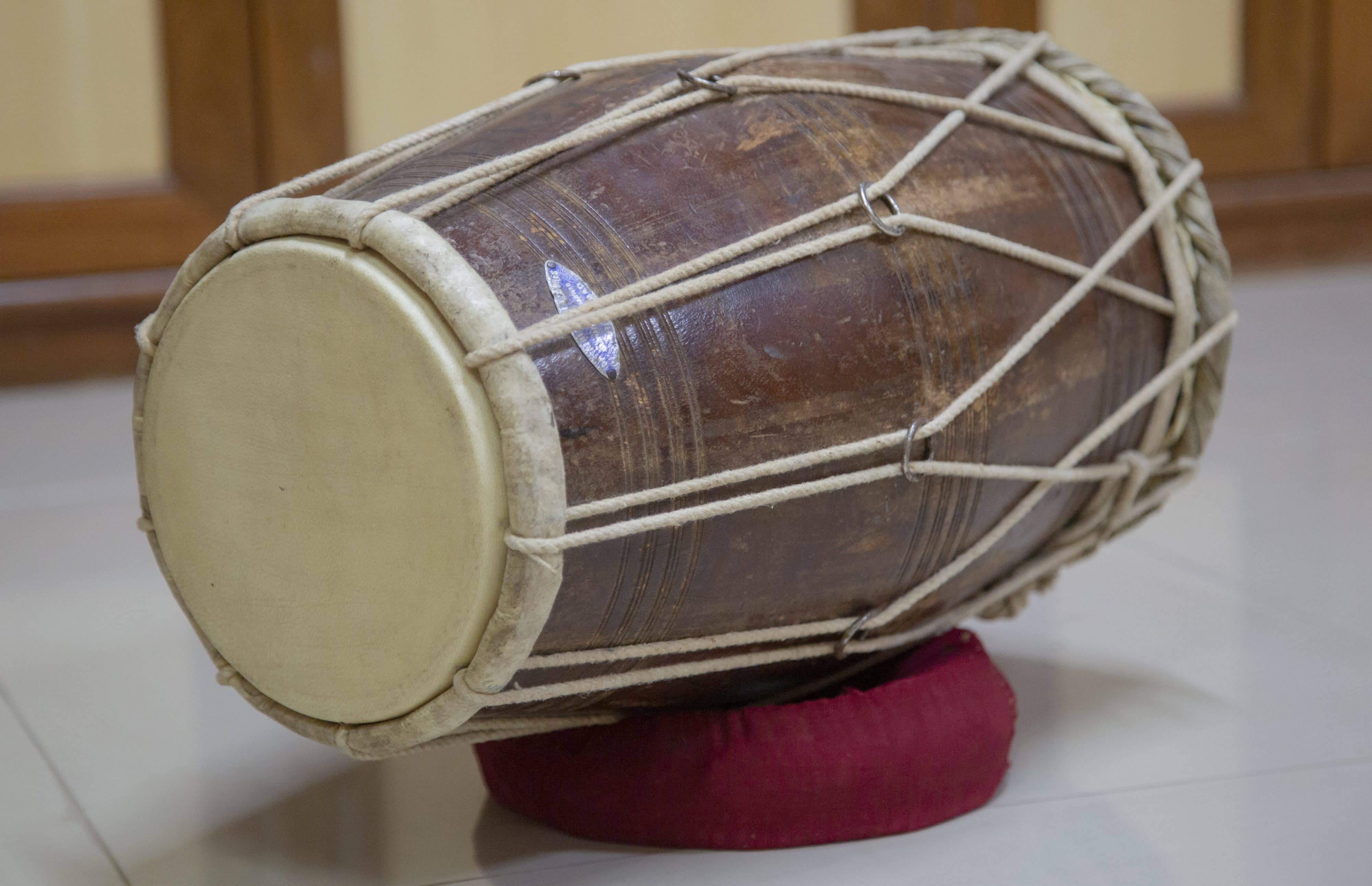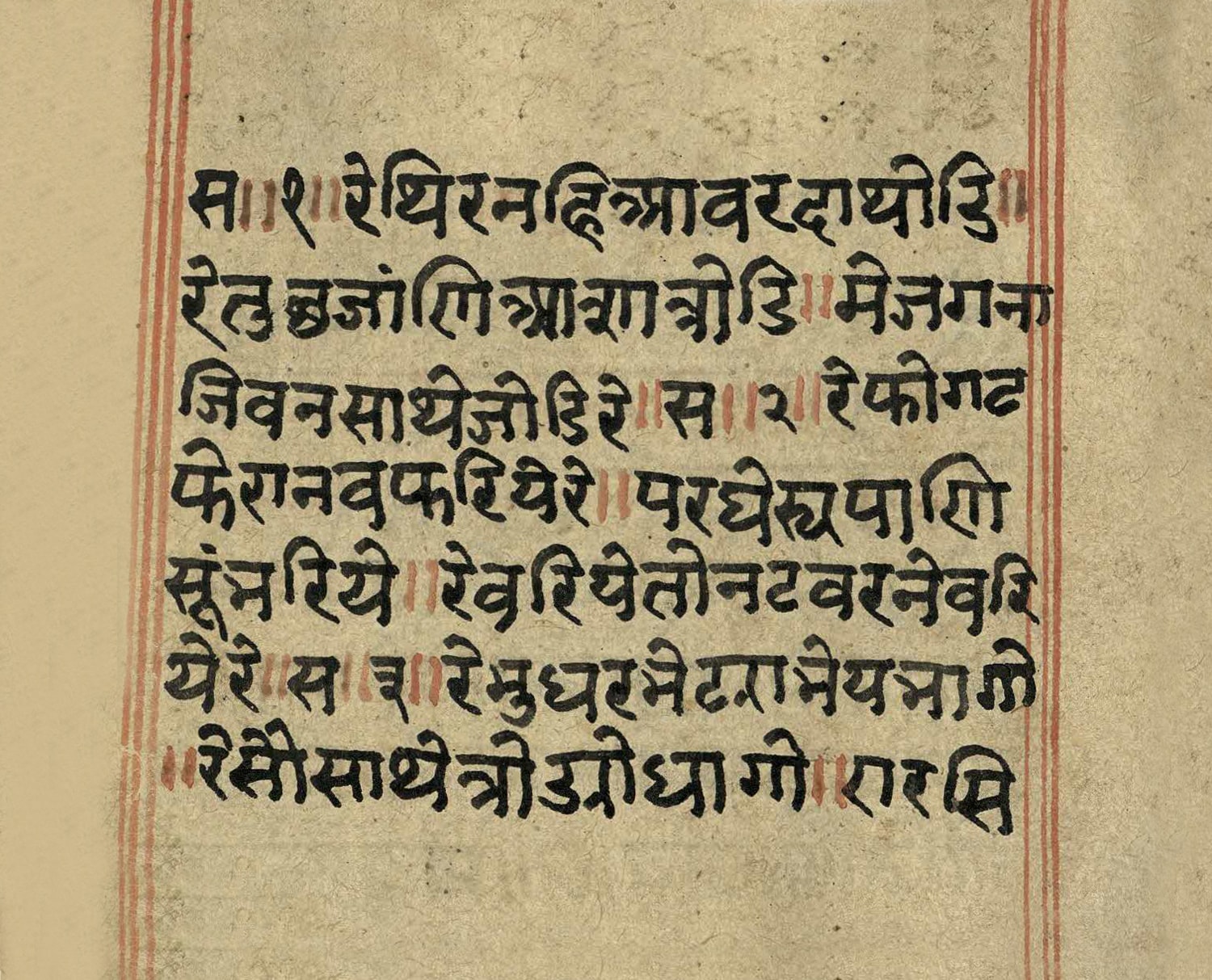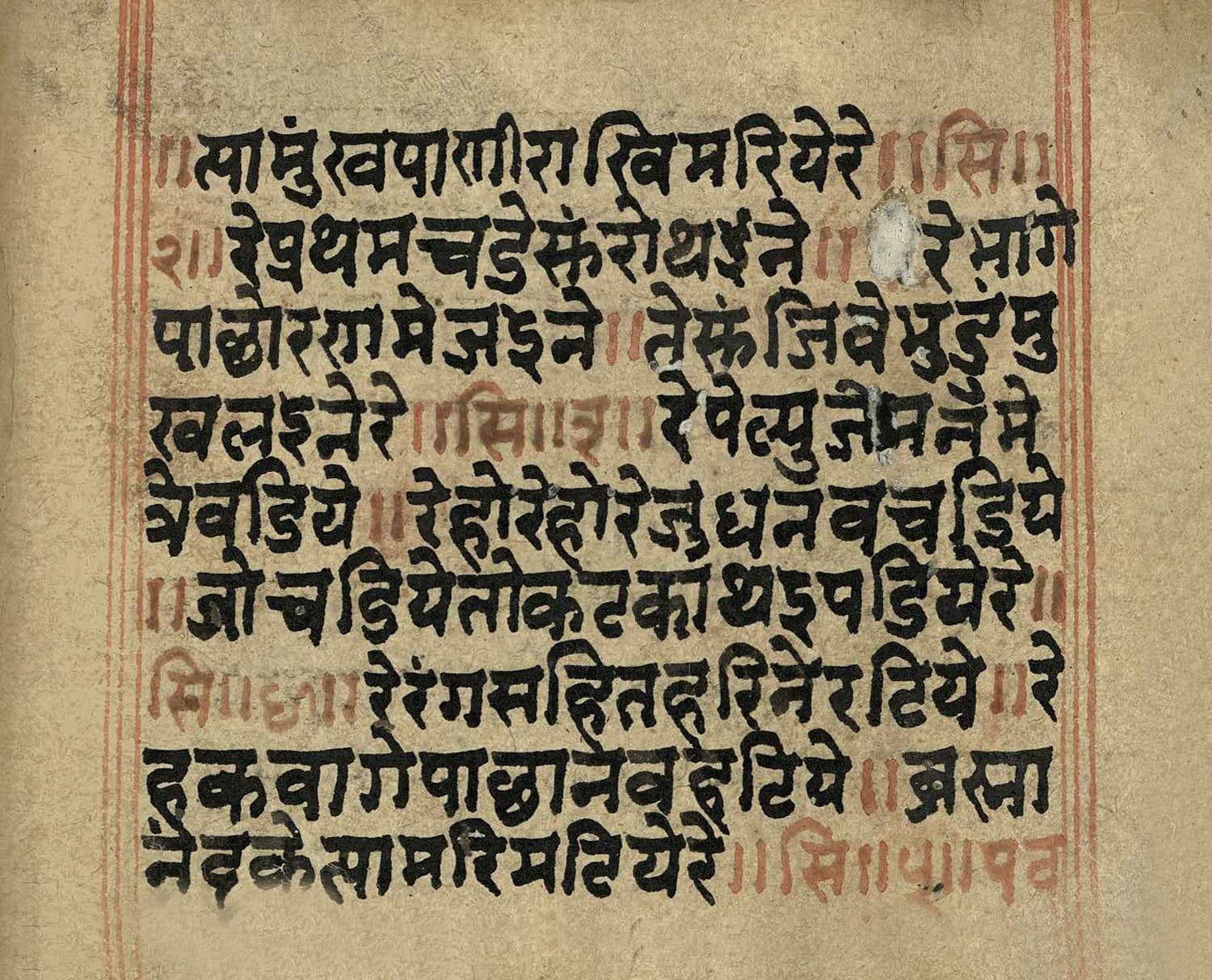

Incidents from Brahmānanda’s life reveal him to be uniquely gifted and talented in the field of music. Seldom can one find one individual that was such an exceptional poet, musician, singer, and linguist. His brilliant artistry reflects his beliefs, struggles, and faith in Bhagavāna Svāminārāyaṇa (Svāminārāyaṇa). His life and work were one; what he felt was explicitly expressed in his poetry. The diversity of his poetry and awareness of the shortcomings of society enriched his writings and made him a pioneer in 19th-century Svāminārāyaṇa Gujarātī literature.
The Versatile Poet
In 18–19th century Gujarāta, verses of the bhakti genre from Narasiṃha Mahetā, Mīrābāī, and Brahmānanda’s contemporary Dayārāma were popular and prevalent. Though inspiring artists, they were typically bound to a single style and genre of writing. Brahmānanda, however, was an extremely versatile poet whose poems could evoke a wide range of emotions. He could inspire youths to want to renounce the world and become sādhus, stir bravery and courage to help face life’s struggles, and even invoke the principles of devotion and loyalty to Bhagavāna within listeners’ hearts. Therefore, analyzing events and incidents from Brahmānanda’s life helps understand his struggles, challenges, and beliefs and of those prevailing in society.
Bravery and Courage…
The Svāminārāyaṇa faith that Sahajānanda had established in Gujarāta in the eighteenth century was not universally accepted. Some sections of society treated this new and growing saṃpradāya with skepticism, criticism, and even violence. Svāminārāyaṇa’s sādhus tolerated unfathomable hardships. It was common for them to go days without food because they were insulted, abused, rejected rations, and even killed for their beliefs. Muktānanda and Brahmānanda were once captured by a heretic associated with a spurious cult, tied to a pole, and came very close to being skinned alive and having their ears and nose cut off.1 However, they were steadfast in their belief and loyalty to Svāminārāyaṇa that no hardship could shake their conviction.
Devotees also endured difficulties for their “crime” of accepting the Svāminārāyaṇa faith; they were ostracized from their communities, tortured, exiled and in some cases even killed. Being a Svāminārāyaṇa devotee meant being a target of abuse, humiliation, and prejudice. Fear, doubts, and uncertainty were a part of everyday life.
It was in this context that Svāminārāyaṇa asked Brahmānanda to compose several poems that would provide a devotee, Rūpābhāī, with the strength, courage, and reassurance to face the aforementioned adversities in his life. Rūpābhāī was the favorite minister of Mahārājā Vajesiṃha, the King of Bhāvanagara. An individual with strong character and trustworthiness, Vajesiṃha always entrusted him with his personal and most important tasks. Other ministers grew jealous and conspired against Rūpābhāī by spreading malicious rumors about him to Vajesiṃha. He did not care to investigate and ordered Rūpābhāī to leave Bhāvanagara altogether; homeless and without a living, Rūpābhāī’s life was cast into confusion.2
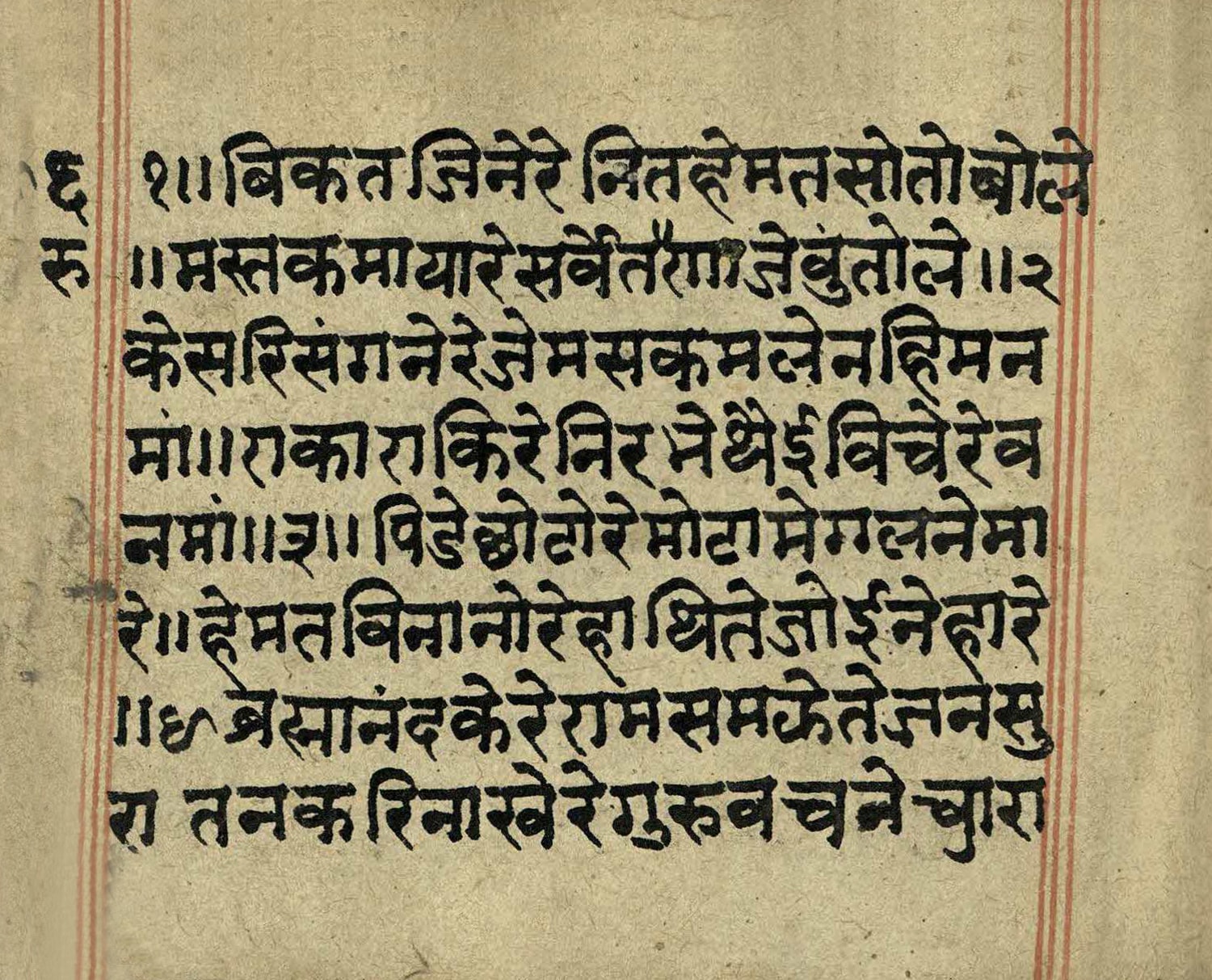
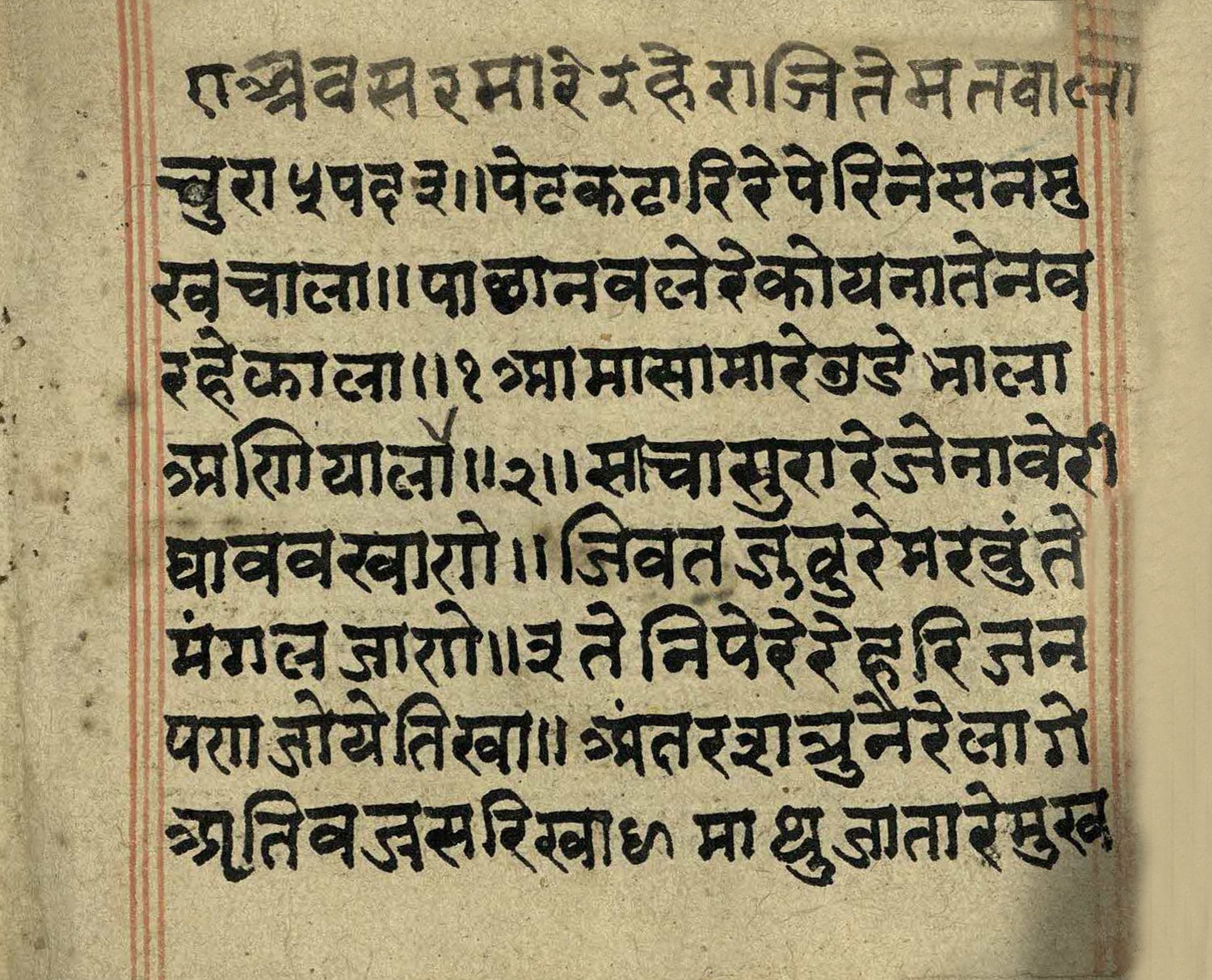
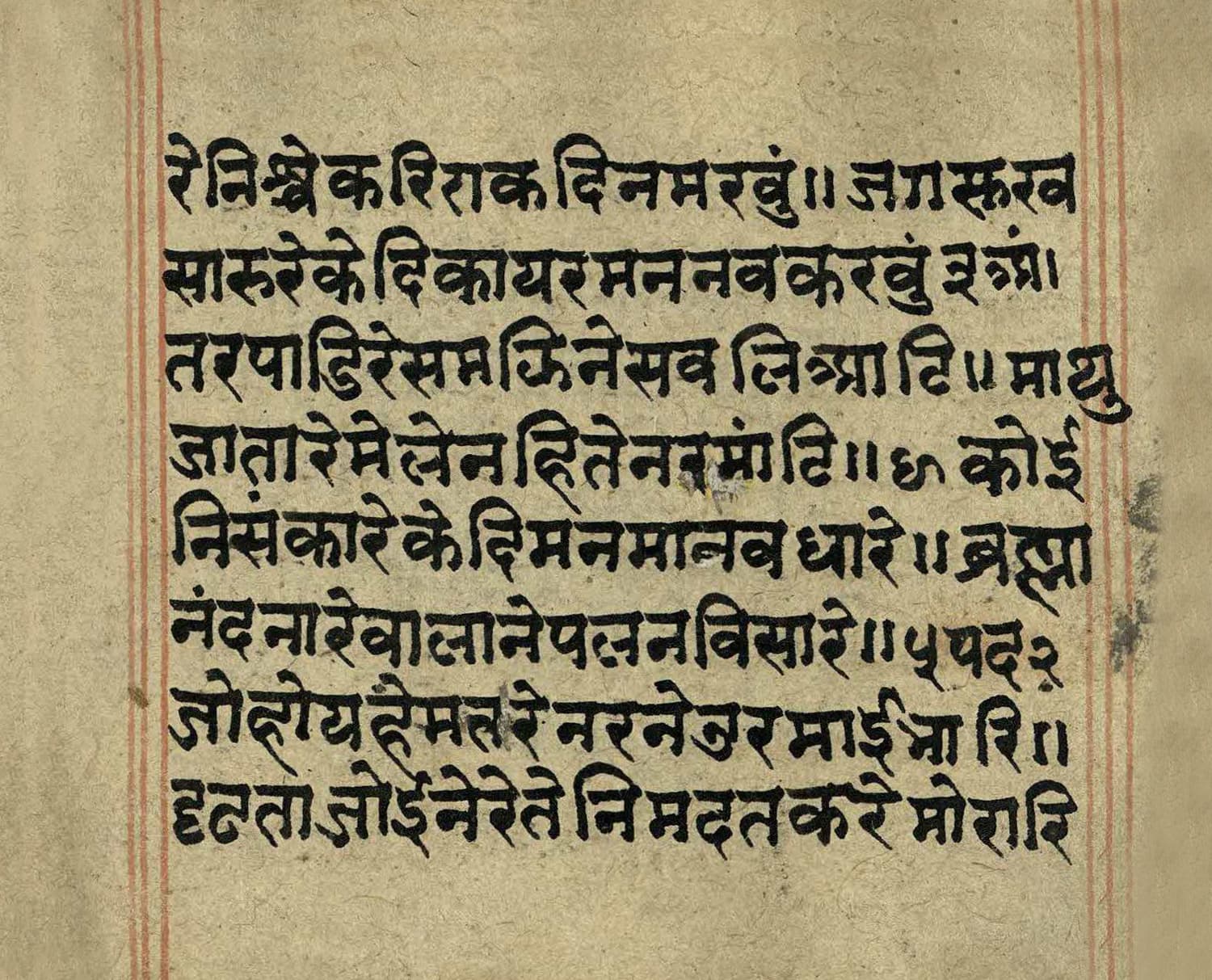
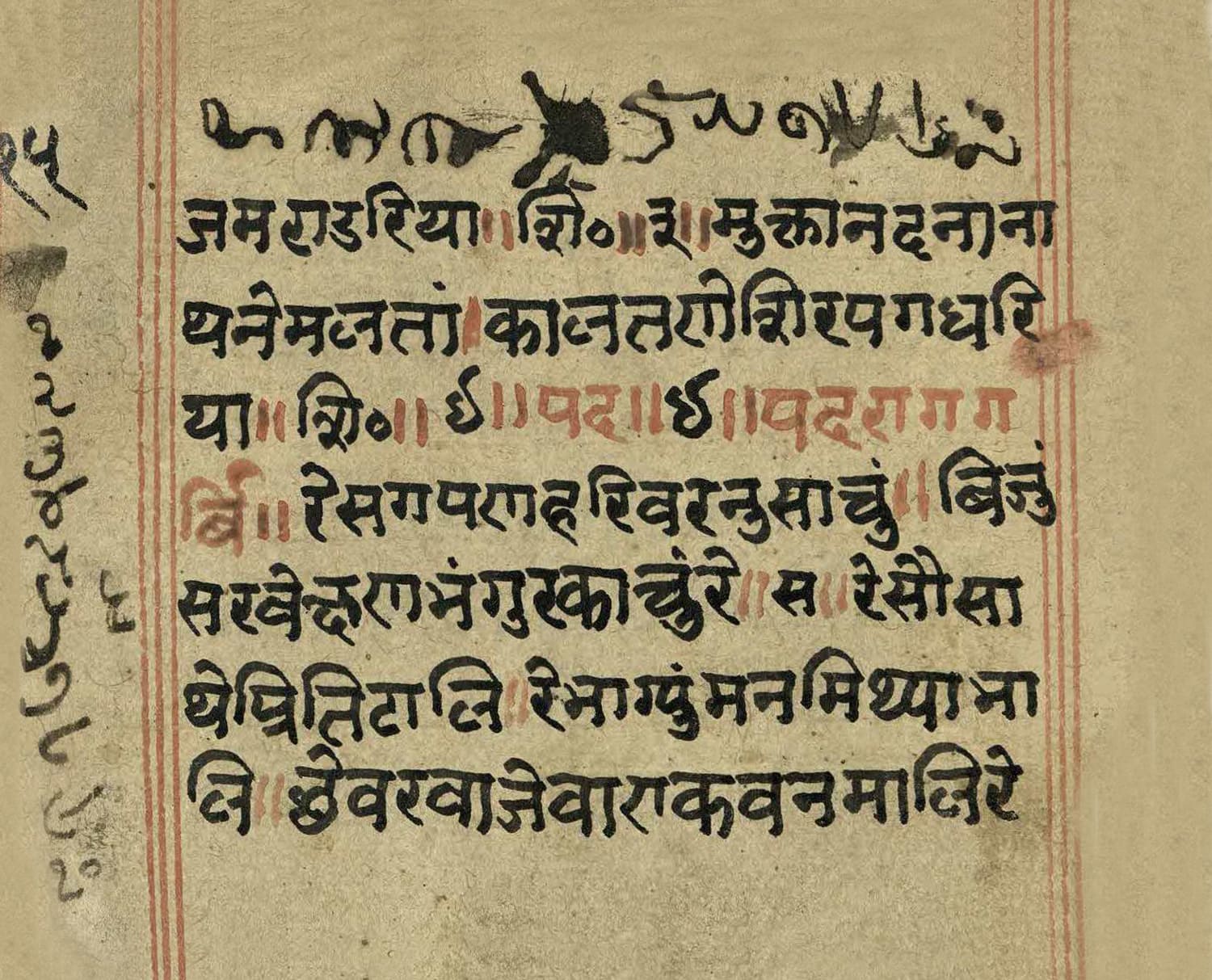
A series of poems Brahmānanda composed helped devotees such as Rūpābhāī ignite bravery and courage in the face of opposition and oppression. In the opening of this poem, “Harijan sāchā re,” Brahmānanda emphasizes the necessity of a devotee to keep courage in his heart. Whatever worldly problems he may face, a devotee never forsakes Bhagavāna, the Satsaṅga fellowship, or acts against the commands of Bhagavāna. One of the features of these poems is in the analogies that Brahmānanda employs – simple, meaningful, and the sorts of images and ideas that his contemporary audience were familiar with. According to Raymond Williams, “Brahmānanda (1772-1832) wrote almost a thousand poems in which he extolled the ethical and moral life with the help of simple examples from contemporary life, and illustrations from the cultural history of India.”3